Starting your journey with hearing aids can feel overwhelming. Whether you've just been told you have hearing loss, you're considering treatment options, or you've already taken the first step toward better hearing, understanding what to expect can make all the difference between loving your hearing aids and feeling like you've wasted your money.
I've seen countless patients over the years who came to me after unsuccessful experiences elsewhere. The good news? With the right approach and guidance, hearing aids can be truly life-changing. Let me walk you through the five things you need to know to guarantee your success as a new hearing aid user.
The Evaluation Sets the Foundation
Your initial consultation is where everything begins, and it matters more than you might think. The best hearing care practices schedule longer appointment times—typically at least 90 minutes—to ensure they have enough time to understand your unique situation and thoroughly evaluate your hearing.
During this time, we identify your specific wants, needs, and values. What situations are most challenging for you? What activities do you want to participate in more fully? These aren't just casual questions—they guide every decision we make about your treatment.
A comprehensive hearing evaluation should include several specific tests: pure tone air and bone conduction testing, recorded speech testing, speech-in-noise testing, and identifying your uncomfortably loud levels. Each of these tests provides crucial information about your auditory system. Without this complete picture, we can't make the most accurate treatment recommendation.
These thorough evaluations typically aren't free, but they're invaluable. When a clinic offers free hearing tests with very short appointment times, it's often a red flag that they're more focused on selling devices than properly treating your hearing loss.
At the end of your evaluation, you should receive a clear recommendation: whether you need a medical referral, hearing aids, a cochlear implant evaluation, or an alternative treatment option. You should leave that appointment fully understanding your results and feeling confident about the recommended next steps.
Programming Matters More Than the Devices
Here's something that might surprise you: how well your hearing aids are programmed is substantially more important than which hearing aids you choose. Quality devices matter, but they're only as good as the programming behind them.
This is why I'm not a fan of same-day hearing aid trials at your initial consultation. Often, clinics use demo hearing aids sitting on their shelves that may not be the best choice for your specific needs. More problematically, there usually isn't enough time to custom program these devices properly using Real Ear Measurement.
What you end up trialing are hearing aids that haven't been set up to give you a full understanding of your hearing potential. That's like test-driving a car with the parking brake on—you're not experiencing what it can really do.
We follow comprehensive audiologic best practices to maximize your performance. This includes test box measures to ensure your hearing aids meet manufacturer specifications, Real Ear Measurement to verify that the amplification matches your hearing loss prescription, validation outcome measures to assess your subjective improvement, and thorough training so you understand how to use and maintain your devices.
These aren't optional steps—they're the difference between adequate care and excellent care. Finding a hearing care professional who follows these practices is absolutely critical to your success.
Technology Decisions Impact Your Experience
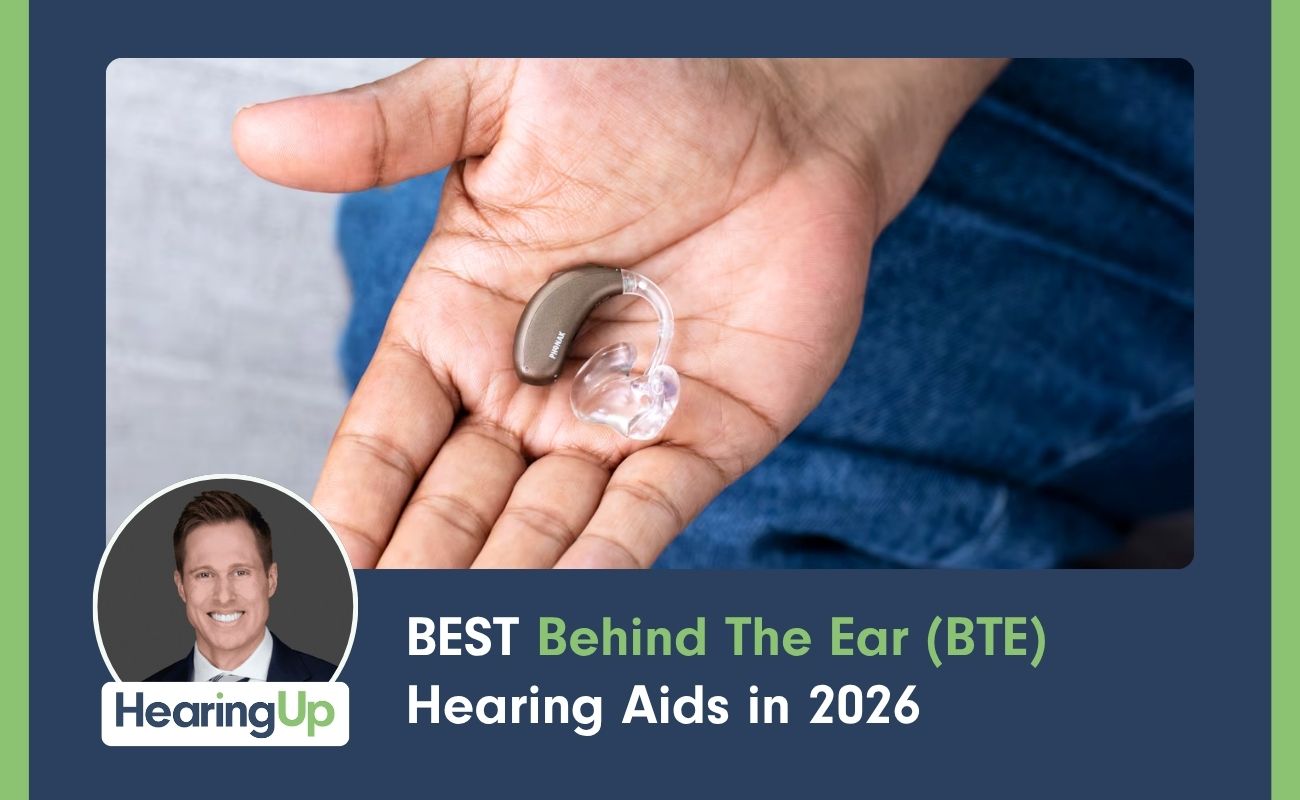
While programming is more important than the technology itself, the technology still matters significantly. We need to ensure the hearing aids recommended for you are the best option in terms of physical fit, customization capabilities, and available features.
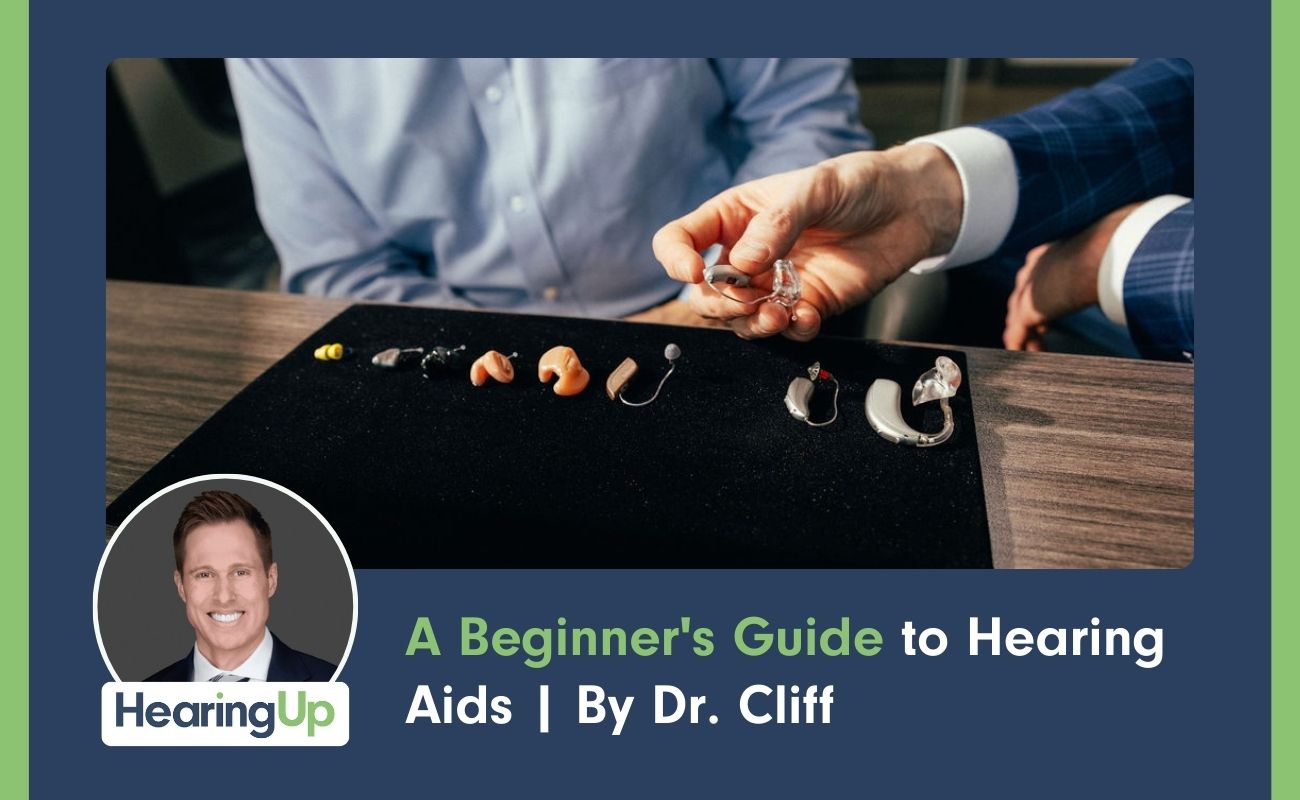
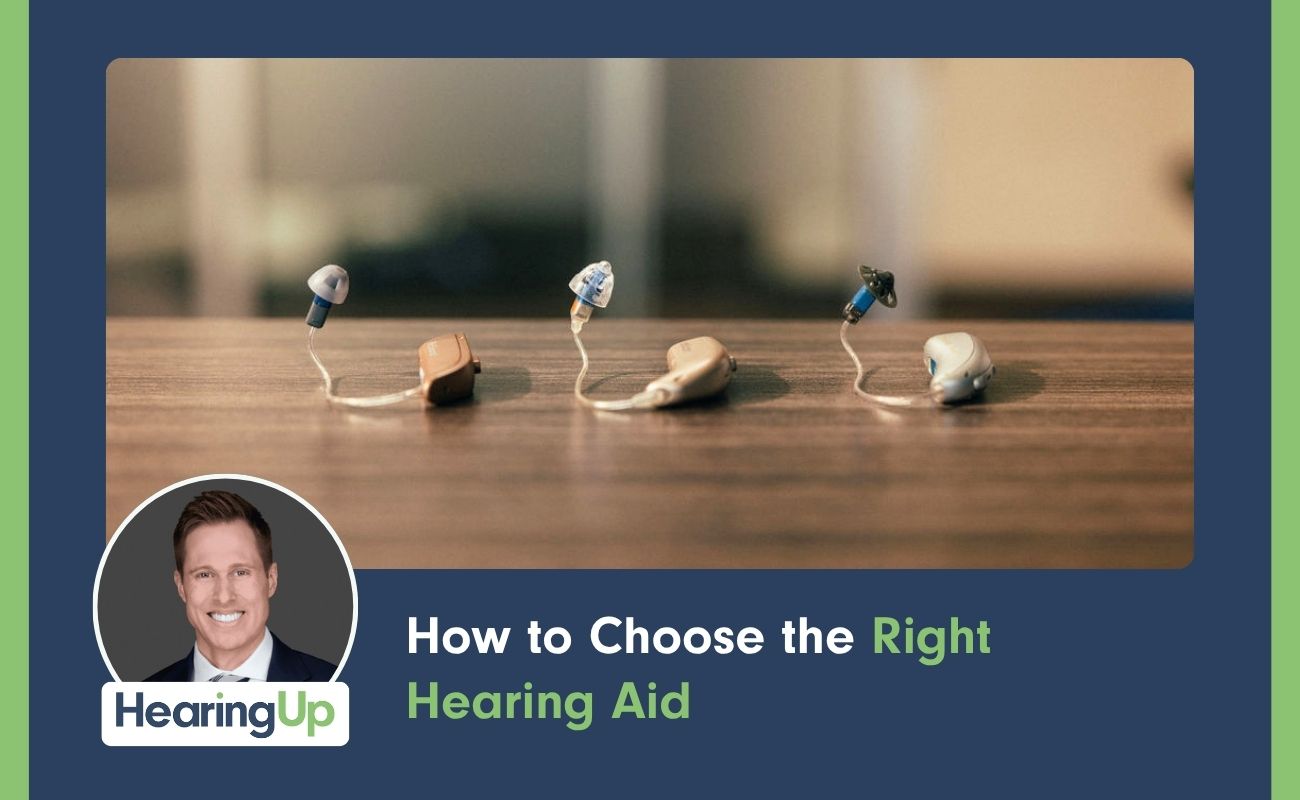
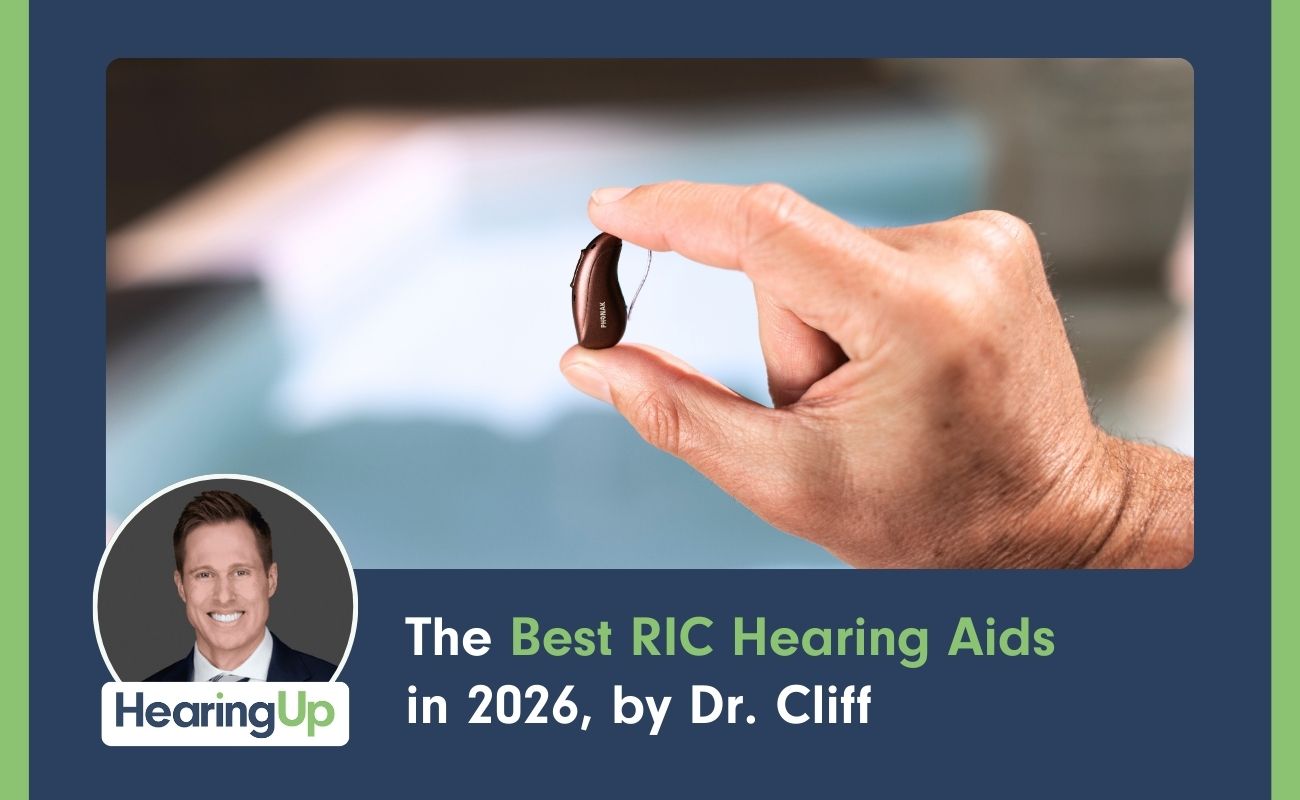
Receiver-in-canal hearing aids are the most popular style, and they work well for many people. But we still need to select the appropriate dome or custom earmold for your ear size, shape, and hearing loss configuration. In my experience, rubber domes are over-recommended in our field—many people would benefit substantially more from custom earmolds.
Whichever option we choose, it must fit comfortably and be capable of amplifying sound to your prescriptive levels, which we verify using Real Ear Measurement.
When it comes to customization and features, both the brand and technology level matter. Most hearing aid clinics consistently offer only one brand, but what if that brand isn't right for you? You should always choose a clinic that offers at least two or more brands, so you're not limited to devices that may not meet your needs.
Each major brand offers multiple technology levels, from top tier down to entry level. As you drop in technology level, you lose features and customization options. This doesn't guarantee reduced performance, but it does mean you might be leaving some benefit on the table. My recommendation is always to choose the highest technology level you can reasonably afford, then drop down to what fits your budget if needed.
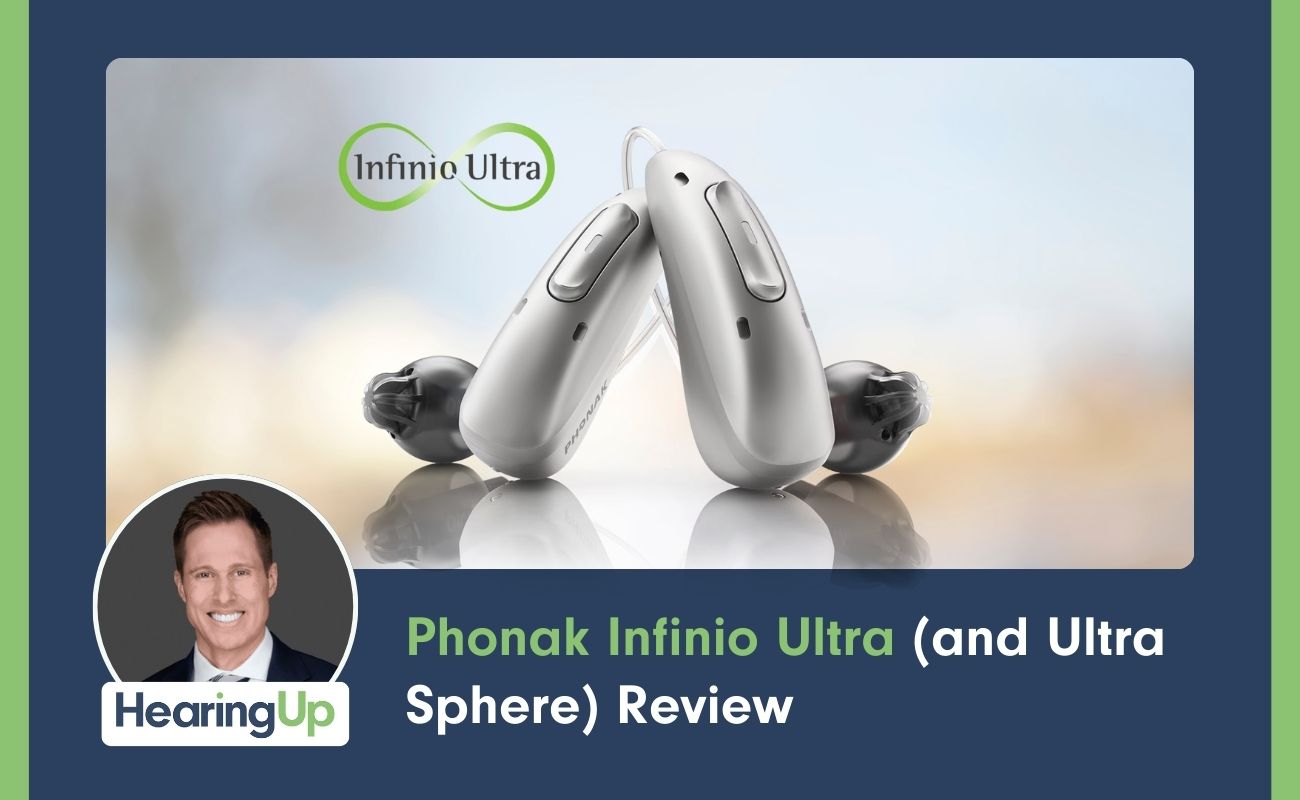
One crucial warning: never buy locked hearing aids. These can only be programmed by the clinic where you purchased them or their franchise locations. If you're not having success, you can't simply take them elsewhere for help. Stick with brands like Phonak, Oticon, Starkey, Signia, Widex, Unitron, or ReSound to avoid this problem.
Adaptation Takes Time and Commitment
Your brain needs approximately 30 days to adapt to new hearing aid treatment. This means you won't know how much benefit you'll ultimately receive until you've been wearing them consistently for about a month.
During this adaptation period, you should have multiple follow-up visits. At each appointment, we should be identifying areas for improvement through programming adjustments and feature enhancements. Even if you report that everything is going great, we should dig deeper to find ways to optimize your experience further—that's what you're paying us for.
After 30 to 45 days, we perform the second half of your validation outcome measures to ensure you're receiving significant, measurable improvement. Simply asking "how are you doing?" isn't a validated way to assess your progress—we need objective measurements.
Once your initial adaptation period is complete, the work continues. You should schedule regular follow-up visits every three to six months for preventative maintenance, earwax removal, and additional programming adjustments. After 12 to 18 months, another hearing test helps us identify any progression in your hearing loss so we can reverify your programming.
Think of it as an ongoing partnership between you and your hearing care professional in managing your hearing loss. As long as you keep coming back for recommended follow-ups, we can ensure your hearing aids continue providing optimal benefit for years to come.
Finding the Right Provider Changes Everything
High-level hearing aid treatment is complex and detail-oriented. Success requires both a knowledgeable hearing care professional and an informed patient who knows what to expect.
This is exactly why we created the HearingUp Network. Every provider in our network has been personally vetted and is committed to following comprehensive audiologic best practices. When you work with a HearingUp provider, you can be confident you're receiving the thorough evaluations, proper programming with Real Ear Measurement, and ongoing support that make the difference between adequate care and excellent outcomes.
Take the Next Step Toward Better Hearing
If you're new to hearing aids or considering treatment for your hearing loss, don't leave your success to chance. The five things I've outlined—thorough evaluation, proper programming, appropriate technology selection, committed adaptation, and ongoing professional support—are all essential to achieving the best possible results.
Visit HearingUp.com to find a network provider in your area who follows these comprehensive best practices. With the right guidance and support, your hearing aids can truly transform your ability to connect with the people and activities you love most.