Modern hearing aids are packed with impressive technology, but which features truly make a difference in your daily life? As an audiologist who spends considerable time testing the world's best hearing aids, I've identified the features that deliver real value for hearing aid users. These are my top picks for the best hearing aid features in 2026, and I should mention that none of these manufacturers can pay to get on this list. If I'm discussing a feature here, it's because I genuinely believe it's valuable.
Auracast Broadcast Audio
Auracast represents one of the most exciting developments in hearing technology. This new form of wireless broadcast audio, made possible by Bluetooth LE Audio, allows you to stream audio directly from public venues into your hearing aids. Whether you're at a movie theater, sports bar, church, or Broadway show, Auracast makes it possible to receive clear audio without any additional accessories.
While Auracast isn't yet widely available, it's expected to eventually replace telecoils and hearing loops in many public venues. I'm so convinced of its potential that I purchased an Auracast transmitter for my Phoenix clinic and plan to donate several transmitters to public venues across the Greater Phoenix area.
What makes Auracast particularly impressive is how it's transforming proprietary hearing aid accessories into open-access technology. You can now use a Starkey TV streamer with Oticon or ReSound hearing aids, or a ReSound TV streamer with Starkey devices. Two years ago, this cross-brand compatibility would have been unheard of. Eventually, many TVs will have built-in Auracast capabilities, eliminating the need for separate streaming accessories altogether.
Remote Care Capabilities
Remote care has transformed how patients receive hearing healthcare. This feature enables virtual sessions with your audiologist without requiring a trip to the clinic. You simply schedule an appointment, open your hearing aid app, and connect with your provider for programming adjustments.
I've been using remote care in my clinic since before COVID-19 made it more widespread, and it saves patients considerable time. Many patients live hours away from the clinic, and sometimes they just need a quick adjustment without the hassle of travel. I even build remote care sessions into my fitting process, combining in-office and virtual visits for maximum convenience.
It's important to note that remote care cannot replace an initial fitting—Real Ear Measurement must be performed in person—but for follow-up adjustments, it's a game-changer. If there's one feature I personally couldn't live without in my practice, remote care would be at the top of the list.
Deep Neural Network Noise Reduction
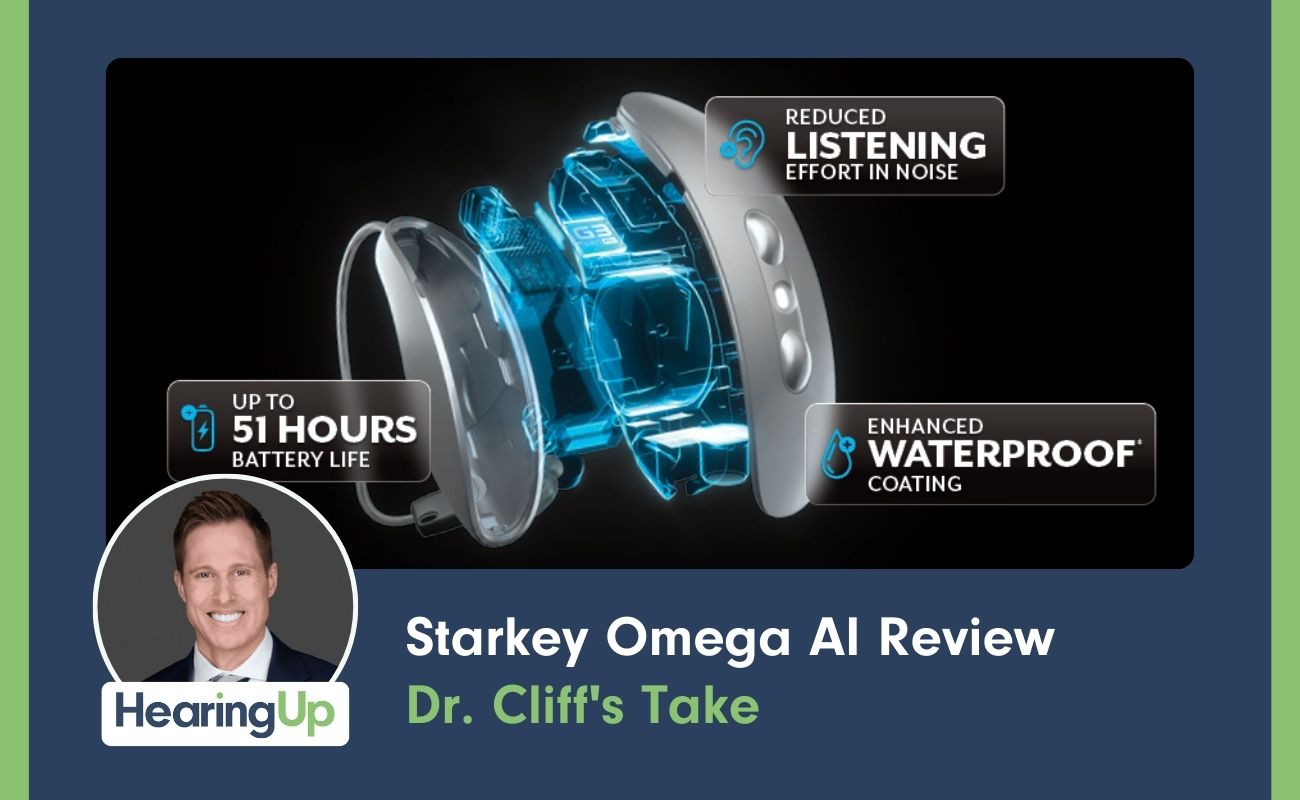
Deep Neural Networks (DNNs) have fundamentally changed how hearing aids process sound. These systems function like artificial human brains trained on millions of sound samples to distinguish between speech and noise. Once trained, the DNN enables your hearing aids to amplify speech information while reducing background noise amplification.
This technology has resulted in significant improvements in speech understanding in noisy environments. The difference is remarkable: hearing aid users can now follow conversations in challenging listening situations with far greater ease than was previously possible. In fact, this feature is so effective that I believe you shouldn't purchase another hearing aid without Deep Neural Network technology.
Deep Neural Network Directionality
While DNN noise reduction separates speech from noise, DNN directionality uses artificial intelligence to determine which direction your microphones should focus on. This is particularly valuable in noisy environments where you want to hear from certain directions while ignoring sounds from others.
Traditional directionality relied on human-designed algorithms, but newer systems like Starkey's DNN 360 in their Omega AI hearing aids use trained neural networks for more accurate directional focusing. Instead of your hearing aid microphones picking up sounds from directions you don't want to hear from, the Deep Neural Network does a better job identifying the important directions.
I expect all major hearing aid manufacturers to develop some form of deep neural network directionality in their future releases because this feature will prove increasingly important.
Custom Embedded Receiver Ear Molds
Custom embedded receiver ear molds with acoustically optimized vents may have the highest probability of significantly improving your hearing performance. These ear molds are created from either a physical impression or a 3D digital scan of your ear canals, ensuring a perfect fit tailored to your specific anatomy and hearing loss.
Nearly 70% of patients in my clinic use custom ear molds because they simply outperform rubber domes in most cases. Custom molds control sound better inside your ear canals, prevent receivers from migrating out of your ears (which decreases performance), and allow for more amplification before feedback occurs.
I specifically recommend embedded receiver ear molds, where the receiver wire is built directly into the mold, because they fit and perform acoustically better than ear molds that simply attach to the receiver end. While a malfunctioning receiver in an embedded ear mold requires returning it to the manufacturer, this is rare and the performance improvement is more than worth the potential inconvenience.
If you have anything more than a mild to moderate hearing loss, custom embedded receiver ear molds are probably the feature that will provide the most benefit from your hearing aids in 2026. When fitted with custom ear molds, Real Ear Measurement becomes even more critical to ensure you're receiving maximum benefit.
Phonak EasyGuard Domes
Phonak's new EasyGuard domes address a common frustration for hearing aid users: constantly changing wax traps. These innovative domes use a sound-transmitting membrane that allows amplified sound to enter your ear canal while blocking earwax and moisture from entering the hearing aid.
I personally tested these domes in my clinic test box and found virtually no difference between standard domes with open tips and the new EasyGuard domes with the membrane. If you produce substantial earwax and tire of frequent wax trap changes, EasyGuard domes offer a practical solution that maintains excellent sound quality.
Encapsulation Technology
Oticon introduced encapsulation technology with their new Zeal hearing aids, allowing them to create incredibly small devices packed with advanced features. This technique involves pouring the outer shell coating around the internal components, similar to how amber preserves specimens in nature.
Encapsulation makes the Oticon Zeal extremely durable, achieving an IP68 rating for water and dust resistance. Despite its tiny size, small enough to fit entirely in your ear, the Zeal performs remarkably similar to a receiver-in-canal hearing aid, with full wireless connectivity and rechargeable batteries. This innovation represents a significant advancement in hearing aid design.
Starkey's Advanced Shell Resin
Custom hearing aid and ear mold users often worry about cracking their devices. A cracked shell typically requires sending the device back to the manufacturer for about 10 days, leaving you without your hearing aids. Starkey's new shell resin for their Omega AI custom hearing aids and ear molds addresses this concern by creating shells that are 20 times stronger than traditional acrylic.
This new resin has flexibility that prevents damage from drops or even being stepped on, while still allowing your hearing care professional to modify it in-office if needed. The durability difference is striking when you compare the old acrylic shells to the new resin shells, making this an excellent feature for anyone concerned about accidentally damaging their devices.
Experience These Features with Expert Care
These are the hearing aid features that I believe will make the most significant difference in your hearing experience in 2026. From Auracast broadcast audio and remote care capabilities to Deep Neural Network processing and custom ear molds, each of these features offers real, measurable benefits when properly implemented.
Having access to advanced features means nothing without an excellent hearing care professional who can identify which features are right for your specific needs and program them correctly. We take the time to understand your lifestyle, identify the features that will make the biggest difference for you, and use Real Ear Measurement to ensure your hearing aids are programmed for maximum performance.
If you're ready to experience the best hearing aid features of 2026 with comprehensive best practice care, visit HearingUp.com to find a vetted hearing care professional in your area. All HearingUp providers have been personally vetted and are committed to following comprehensive audiologic best practices to ensure you can hear your absolute best with your hearing aids.