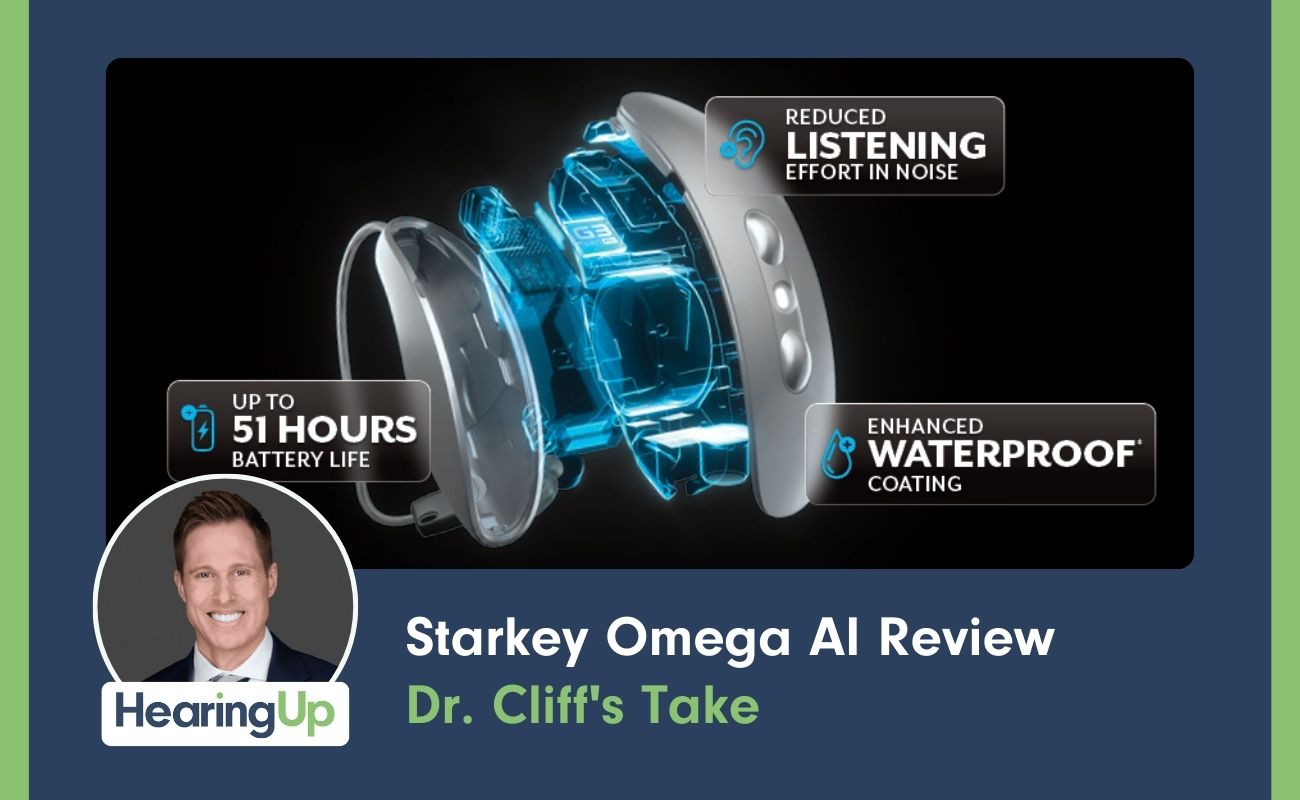
When people consider purchasing hearing aids, many assume they're simply paying for the advanced technology packed into those small devices. While it's true that hearing aid manufacturers invest hundreds of millions of dollars annually in research, development, and production, the technology itself represents only a portion of what you're actually purchasing. Understanding the complete picture of hearing aid costs can help you make more informed decisions about your hearing healthcare investment.
The Foundation: Gain and Output Capabilities
At its core, what you're paying for with hearing aids is the ability to make sounds audible again. This comes down to two critical technical specifications: gain and output. Gain refers to the amount of amplification a hearing aid adds to incoming sounds. For example, if someone speaks at 65 decibels and your hearing aid adds 20 decibels of amplification, you're receiving 20 decibels of gain. The resulting output would be 85 decibels.
Different hearing aids offer varying combinations of gain and output capabilities. Those with mild to moderate hearing loss can typically use devices with lower gain and output levels. However, individuals with severe to profound hearing loss require hearing aids equipped with powerful receivers capable of producing significant amplification. The engineering required to deliver appropriate gain and output for your specific hearing loss contributes to the overall cost of your devices.
Advanced Digital Features
Beyond basic amplification, modern hearing aids incorporate numerous digital features that enhance your listening experience. These sophisticated technologies include compression algorithms, directional microphones, noise reduction systems, Bluetooth connectivity, and feedback control mechanisms.
These features work to improve sound clarity, make various environments more comfortable, and provide a better overall listening experience. They can reduce road noise while driving, help you understand conversations in noisy restaurants, and allow you to stream phone calls and music directly to your hearing aids. The more advanced features you require, the higher the cost of your hearing aids will be.
Professional Services: The Most Significant Investment
Perhaps the most substantial component of hearing aid costs comes from the professional services provided by audiologists and hearing instrument specialists. These services encompass selection, testing, fitting, programming, orientation, and ongoing care throughout the life of your devices.
Selection and Evaluation
No single hearing aid works perfectly for everyone. Your hearing care professional must spend adequate time during your evaluation to understand your specific hearing loss pattern, lifestyle needs, and hearing goals. This information guides them in selecting the most appropriate technology for your unique situation.
Testing and Quality Control
Professional testing includes electroacoustic analysis, where your hearing aids are evaluated in a test box to ensure they meet manufacturer specifications for gain, output, distortion, and noise levels. This quality control step protects your investment and ensures optimal device performance.
Fitting and Programming
The physical fitting involves selecting appropriate ear domes or custom ear molds, determining proper vent sizes, and preventing sound leakage while avoiding occlusion effects. Programming requires applying precise amounts of amplification across different frequency ranges for various input levels.
Real Ear Measurement represents the gold standard for hearing aid programming. This process uses probe microphone tubes placed in your ears to measure actual amplification levels, allowing your audiologist to verify that your devices are programmed correctly. The specialized equipment and expertise required for Real Ear Measurement adds value to your hearing aid investment, ensuring you receive maximum benefit from your devices.
Orientation and Training
Professional orientation requires considerable time to educate you about device care, maintenance, and operation. This includes instruction on using smartphone apps for self-adjustment, as most modern hearing aids offer this capability.
Ongoing Support and Maintenance
Hearing aid ownership includes lifetime support needs. Your hearing may change over time, requiring retesting and reprogramming. Professional maintenance keeps devices functioning optimally, and support staff must be available when issues arise. All these services contribute to the overall cost but provide essential value for long-term success.
Third-Party Administrators: An Additional Cost Layer
Many insurance companies now contract with third-party administrators to manage hearing aid benefits. Companies like EPIC, Amplifon, TruHearing, and Hearing Care Solutions serve as intermediaries between insurance providers and hearing care professionals.
Rather than insurance companies paying providers directly, they pay third-party administrators, who then reimburse hearing care professionals a reduced amount. Patients often must contribute additional payments to these administrators. While this system may reduce upfront costs for patients, it often results in reduced services due to lower provider reimbursement rates.
For private-pay patients, these arrangements can increase costs as providers must adjust pricing to offset reduced reimbursements from insurance-based patients. This creates a ripple effect that impacts overall hearing aid pricing in the market.
The Value of Comprehensive Care
Understanding these cost components helps explain why quality hearing aids represent a significant investment. If you're only spending a few hundred dollars on hearing aids, important elements of your treatment may be missing. Proper hearing healthcare requires comprehensive professional services, advanced technology, and ongoing support.
The investment in professional services proves particularly valuable when you consider the complexity of hearing aid fitting and the importance of ongoing care. Without proper programming using Real Ear Measurement, even the most advanced hearing aids may not provide optimal benefit. Similarly, inadequate follow-up care can lead to device problems and reduced satisfaction over time.
This is precisely why HearingUp Network providers stand apart in the hearing healthcare field. Every audiologist in our network has committed to following comprehensive best practices, including Real Ear Measurement for all fittings and structured follow-up care. When you work with a HearingUp provider, you can trust that your investment includes all the professional services necessary for optimal outcomes. These experienced professionals understand that successful hearing aid treatment goes far beyond simply dispensing devices - they provide the expertise, time, and ongoing support that make your hearing aid investment truly worthwhile.
Finding Quality Hearing Care
When investing in hearing aids, choosing a hearing care professional committed to comprehensive best practices makes the difference between adequate and exceptional outcomes. Look for providers who use Real Ear Measurement for all fittings, provide thorough orientations, offer ongoing support, and follow established audiological guidelines.
The professional services component of hearing aid costs represents excellent value when delivered properly. Quality hearing healthcare ensures you receive maximum benefit from your technology investment and maintains that benefit throughout the life of your devices.
Find a HearingUp Network Provider Near You
Understanding what goes into hearing aid costs helps you make informed decisions about your hearing healthcare. The investment in proper professional services, advanced technology, and ongoing care provides the foundation for successful hearing aid outcomes. To ensure you receive the comprehensive care that justifies this investment, we encourage you to find a HearingUp Network provider in your area.
Every HearingUp Network member has been personally vetted by Dr. Cliff Olson and is committed to following comprehensive audiological best practices. These providers use Real Ear Measurement for all hearing aid fittings, provide thorough orientations and follow-up care, and ensure you get the maximum benefit from your hearing aid investment. When you choose a HearingUp Network provider, you can be confident that every component of your hearing aid cost delivers real value toward helping you hear your absolute best. Visit HearingUp.com today to locate a trusted provider near you who will make your hearing healthcare investment worthwhile.