EN
Dr. Cliff shares his insights and experience with various over-the-counter devices, shedding light on the pros and cons.

As we embark on the journey of understanding over-the-counter hearing aids, it's essential to reflect on the goals that sparked their creation. These devices were envisioned to be a more affordable and accessible alternative for adults experiencing mild to moderate hearing loss. They serve as a bridge for those not yet prepared for prescription hearing devices, with the aspiration of enhancing the adoption rates for hearing aids. Recently, the establishment of regulated guidelines for these over-the-counter aids has allowed us to offer a range of new devices designed to meet this growing sector of need.
Through my extensive experience, having reviewed numerous direct-to-consumer hearing aids anticipating their shift to over-the-counter status, I've gained invaluable insights into their strengths and challenges. The market's acceptance of these devices has afforded many the opportunity to address their hearing needs, with some even choosing to use these aids in specific situations throughout their day. However, navigating this new landscape hasn’t been without its hiccups, notably the occlusion effect—a common issue with the earbud style design that has led to a search for innovative solutions to enhance user comfort and auditory experience.
We at Applied Hearing Solutions have been engaged in the exciting shift towards over-the-counter (OTC) hearing aids, which were designed for adults with perceived mild to moderate hearing loss. These devices are an affordable and accessible starting point for those not ready for prescription hearing aids and aim to increase overall hearing aid adoption rates.
Affordability & Accessibility:
OTC hearing aids have introduced a new landscape where cost and access barriers are lowered. By creating this new category, we've observed a positive trend:
Transition to OTC Aids:
We've been reviewing direct-to-consumer aids for years, allowing us to witness the seamless transition of these devices into the regulated OTC category established in October 2022.
Consumer Behavior Since Release:
In the eight months following the official release of OTC hearing aids, we've sold hundreds of them and gained insights into patient preferences. These insights include:
Style Preference & Appeal:
With innovative designs that resemble wireless earbuds, OTC hearing aids have broadened their appeal, reaching more individuals who prefer a less conspicuous design.
The Occlusion Effect Challenge: However, we've identified a notable issue with earbud-style OTC hearing aids – the occlusion effect. This is when the sound of one's voice, when chewing or speaking, becomes trapped in the ear canal, causing a boomy, loud sensation.
Solutions & Innovations: To address these challenges:
Advanced Features & Quality Assurance:
With features that focus on enhancing speech over background noise and the backing of established hearing aid manufacturers, we ensure that users receive quality products designed for their needs.
In our ongoing effort to improve OTC hearing aid devices, we expect more individuals will feel encouraged to seek early treatment for mild to moderate hearing loss. If you're about to step into hearing treatment, we welcome you. It's crucial to choose the right device to ensure that it serves your needs effectively, rather than being abandoned in a drawer.
The inception of over-the-counter (OTC) hearing aids was aimed to make hearing solutions more affordable and accessible, particularly for adults with mild to moderate hearing loss. These devices are meant to serve as an initial step for those who might not feel ready for prescription hearing aids. Our hope is that by introducing this new category, hearing aid adoption rates will increase, especially among individuals at the lower levels of the hearing loss pyramid.
When examining the hearing aid market penetration, we see that a vast majority of people with hearing loss experience it at a mild to moderate level. Yet, it's this demographic that is less likely to seek treatment. With the recent introduction of regulated OTC hearing aids, we anticipate a rise in the number of these individuals seeking help for their hearing loss, possibly including you.
Since the final guidelines for OTC hearing aids were released in October 2022, we have already started seeing many new devices entering the market from various manufacturers. My experience over the past six years in reviewing direct-to-consumer hearing aids has provided me with deep insights into the advantages and drawbacks of these products. Post-official release, we've seen that many individuals had delayed seeking hearing help, some for nearly five years, in anticipation of the arrival of OTC aids.
Our Observations:
However, there is a significant issue identified with earbud-style OTC hearing aids—the occlusion effect. This is when the device seals the ear canal, trapping sound vibrations from one's own voice, leading to a booming and loud perception. Almost all earbud-style aids lack ventilation, exacerbating this issue. Despite their value in improving hearing, particularly for smartphone streaming, consistent wear can be challenging due to this effect.
To address this, the Jabra Enhance Plus, sponsored by Jabra in today's video, features vented ear gels that significantly reduce the occlusion effect. These vents allow one's voice to escape the ear canal while still enhancing hearing. This innovation facilitates prolonged wear, even in social situations such as dining out. Using the Jabra Enhance app, users can also personalize their hearing experience, from initial amplification to speech filter settings.
Jabra's affiliation with GN, a major hearing aid manufacturer, assures that their OTC aids are designed not just to amplify sound but to enhance speech clarity over background noise. For those whose hearing needs evolve, a seamless transition to prescription hearing aids like the ReSound Omnia is possible.
We believe in the multitude of benefits OTC hearing aids can bring, especially with further enhancements. More individuals with mild to moderate hearing loss are likely to embark on the journey of hearing treatment, and we welcome everyone ready to take this step. It's crucial to choose the right devices, ensuring they enhance your life rather than collecting dust unused.
Our team at Applied Hearing Solutions has observed key trends in consumer behavior since the advent of over-the-counter (OTC) hearing aids. Specifically designed for those with mild to moderate hearing loss, these devices aimed to create an accessible and affordable entry point for hearing treatment.
Affordability and Accessibility:
Observations Since Release:
Challenges and Innovations:
Technological Integration and User Control:
Transitioning to Prescription Aids:
By focusing on continuous improvement, we are committed to making OTC hearing aids more effective and desirable for users. We welcome all individuals considering hearing treatment into this evolving space, ensuring they receive suitable and beneficial devices.
When initially assessing over-the-counter hearing aids, we noticed consumers' hesitation regarding traditional hearing aid styles. This underscored the importance of creating designs with a broader appeal. Now, many over-the-counter options resemble wireless earbuds, which have been more readily embraced by those with mild to moderate hearing loss. The visual similarity to commonplace audio devices diminishes the stigma often associated with wearing hearing aids.
However, the new designs brought an unforeseen issue—the occlusion effect. It's a phenomenon where your ears, plugged by devices like wireless earbud-style hearing aids, amplify sounds like your voice and chewing, making them disruptive and overly loud. Here's what we found:
To tackle the occlusion effect, new designs now incorporate vented ear gels. By allowing the sound of your voice to escape, these vents improve sound perception. The added benefit is the ability to maintain conversations in social contexts like restaurants, without the distraction of one's own amplified noises.
Further, with an embraced style and improved features, we're facilitating a smoother transition from over-the-counter devices to prescription hearing aids for those whose hearing loss progresses. This transition is vital for ensuring consistent hearing care throughout an individual's journey with hearing loss.
We’ve learned that device functionality is equally important as design. Innovative features of these devices include:
Lastly, partnering with a major hearing aid manufacturer guarantees that our devices optimize speech while minimizing background noise, ensuring that users get a quality product.
In summation, it's not just about creating devices that work; it's about creating devices that people want to wear. Good design paves the way for increased adoption, and we are committed to ongoing improvements in both function and style to meet users' needs.
The occlusion effect is an issue that arises when ear canals are sealed off by devices such as wireless earbud-style hearing aids. This leads to a user's own voice sounding boomy and loud, as the vibrations from speech are trapped, creating discomfort and distortion during everyday activities like speaking and eating. Particularly noticeable with crunchy foods, this effect can cause the sounds of chewing to become unbearably loud. Although over-the-counter hearing aids have been beneficial for many, especially for streaming audio from smartphones, the occlusion effect has been a significant hurdle, discouraging consistent use.
To address the occlusion effect, innovative designs have been introduced. For instance, vented ear gels have been developed to allow the sound of the user's voice to escape, thereby reducing the occluded sensation.
Our work in this field ensures that users get access to over-the-counter hearing aids that not only enhance speech but effectively eliminate disruptive background noises. Through persistent innovation, we continue to see improvements that encourage individuals with mild to moderate hearing loss to seek the hearing treatment they need.
We designed the vented ear gels of the Jabra Enhance Plus to significantly reduce the occlusion effect that occurs with many earbud-style devices. The tiny vents allow the vibration of your voice to escape the ear canal, improving voice perception and nearly eliminating the occlusion effect. This innovation also means you can wear these hearing aids comfortably while eating, allowing you to better enjoy conversations in social settings, like restaurants.
Using the Jabra Enhance app on your smartphone, you can conduct a hearing test with the closed domes to tailor your initial amplification settings. Customization doesn't end there: you have the option to choose speech filters for clearer sound according to your preference—clear, normal, or full—and you can also adjust the listen mode to adaptive, surround, or focus, which is specially designed for noisy environments.
We've integrated multiple speech filter options into our Jabra Enhance Plus hearing aids to meet your auditory preferences. You can select from clear, normal, or full speech filters, depending on what you find most comfortable. There's also the flexibility to switch between listening modes, including adaptive, surround, and focus mode—particularly helpful in noisy situations to enhance speech and not background noise.
Our customers do not need to worry about frequent battery changes. The Jabra Enhance Plus offers a new and improved battery life of 12 hours on a single charge, ensuring a full day of usage without interruption. The convenience of rechargeability and the extended battery life together provide an efficient and user-friendly experience.
With the emergence of the regulated OTC hearing aid category in October of 2022, we have observed a notable shift in the hearing aid market. Over-the-counter hearing aids were envisioned to provide an affordable and accessible option for adults with mild to moderate hearing loss who are not ready for prescription hearing aids. This has been a pivotal development, contributing to a positive change in hearing aid adoption rates.
As we examined the Pyramid of hearing aid Market penetration, it became evident that those with mild to moderate hearing loss, despite making up the majority, were less inclined to address their condition. The introduction of over-the-counter aids aimed to encourage treatment within this group. Approximately eight months since the release of these OTC devices, hundreds have been sold, offering us valuable insights into consumer behaviors and preferences.
Key Observations:
Despite these positive trends, we identified a significant issue known as the 'occlusion effect' associated with earbud-style OTC hearing aids. This effect leads to a boomy and loud perception of one's own voice due to the lack of proper ventilation in these devices. To combat this, we are pleased to introduce vented ear gels in our new Jabra Enhance Plus over-the-counter hearing aids, which allow one's voice to escape the ear canals, significantly reducing the occlusion effect.
Our Jabra Enhance Plus aids offer the ability to test hearing using our app and customize amplification settings to personal preference. With various modes tailored for different environments and a long battery life, these aids are convenient for continuous use. As GN owns Jabra and major hearing aid manufacturer ReSound, our customers are assured of quality devices geared towards enhancing speech clarity over background noise.
As the market and technology evolve, if individuals find their hearing loss advancing beyond mild to moderate levels, we provide a seamless transition to prescription hearing aids, like the ReSound Omnia. It is our mission to continually support those taking their initial steps toward better hearing. We are here to guide you in choosing the right devices to ensure they enhance your life rather than being discarded unused.
We have observed a significant shift in the hearing aid market with the introduction of over-the-counter (OTC) hearing aids. Initially, our goal was to provide adults with mild to moderate hearing loss—which represents the largest group experiencing this condition—an affordable and accessible starting point for hearing treatment. Undoubtedly, this initiative aimed at increasing hearing aid adoption.
Market Penetration:
Over-the-Counter Hearing Aids:
Our six years of experience reviewing direct-to-consumer hearing aids have given us a vantage point to identify their strengths and weaknesses. Since the official guideline release in October 2022, we have sold hundreds of OTC devices. Our insights are rooted in real-world applications and patient feedback.
Consumer Feedback:
Our extensive experience has shed light on the occlusion effect as a major drawback of wireless earbud-style OTC hearing aids. This effect amplifies internal sounds, such as one's own voice or chewing, to an uncomfortable level. To address this, we worked with Jabra on their Enhance Plus OTC hearing aids, which feature vented ear gels for reducing the occlusion effect.
Advancements in Over-the-Counter Aids:
Battery and Design Innovations:
The introduction of OTC hearing aids has shown positive outcomes. There are additional benefits beyond the reduction of the occlusion effect, including an improved overall listening experience and the customization available through associated apps. As individuals progress in their hearing loss journey, transitioning to prescription aids is a smooth process, supported by our expertise.
We ensure that those stepping into the world of hearing treatment have access to the right devices to keep them active and participating fully in life's conversations. The future looks bright for individuals taking that first step towards improved hearing care.
Hi guys. Cliff Olson, doctor of Audiology and founder of Applied Hearing Solutions in Phoenix, Arizona. And in this video I'm talking about the biggest problem that I'm seeing with earbud style over the counter hearing aids coming up. The whole intent of over-the-counter hearing aids was to design a new category of devices that was more affordable and accessible for adults with perceived mild to moderate hearing loss who may not be ready for prescription hearing aids yet. The hope is that over the counter hearing aids would become a good starting point for individuals in this mild to moderate hearing loss category and ultimately increase hearing aid adoption rates. If we look at the pyramid of hearing aid market penetration, we can see that the majority of people with hearing loss have a mild to moderate level of loss. Yet these are the groups that are much less likely to treat their hearing loss.
Hopefully within the next several years, over the counter hearing aids will lead to a higher percentage of these individuals in the bottom levels of the pyramid treating their hearing loss, perhaps yourself included. Now that we finally have a regulated OTC hearing aid category, we're starting to see multiple hearing aid manufacturers create these new over-the-counter devices. However, before over-the-counter hearing aids were even a thing. I've been reviewing direct-to-consumer hearing aids that I expected to naturally transition into this over-the-counter category. And you know what? That is exactly what happened when the over-the-counter hearing aid final guidelines came out. Establishing this new category in October of 2022, being able to review these types of devices for the past six years has helped me really understand the pros and cons of them. And since the official release of over the counter hearing aids approximately eight months ago, I have sold hundreds of these over-the-counter style devices allowing me to learn even more about them and what patients like and don't like about them.
But before I share my feedback, if you could do me a huge favor and click that like button, it really helps out my channel. And if you are not yet subscribed to the channel with notifications turned on, go ahead and do that as well, because that ensures you never miss one of my newly released videos. And I release a ton of new videos every single week. First and foremost, the biggest thing that I learned about over the counter hearing aids when they were released eight months ago is that a lot of people were putting off hearing treatment, waiting for over the counter hearing aids to arrive. While this is not good because a lot of people put off hearing treatment for nearly five years at this point, it's a good thing because a lot of people are now actually considering treating their loss or they weren't considering it before.
Individuals who fell within the candidacy range of an over-the-counter hearing aid were now able to try them officially. And individuals who fell outside of the candidacy range we're now finally willing to accept their level of hearing loss and then go the prescriptive route. We have also seen some patients who are satisfied with their level of performance using an over-the-counter hearing aid and use them situationally throughout the day. Another thing that we have seen with over-the-counter hearing aids is the willingness to try different styles of devices. Now, we have over the counter hearing aids that look a lot more like a wireless earbud compared to a receiver in canal design like we traditionally see with hearing aids, which has led to a more broad appeal
Of these devices to individuals with a mild to moderate hearing loss. But as much as I love these wireless earbud designs, there is one major problem that I've identified with them over the course of the past several years, and that is the occlusion effect. The occlusion effect is a phenomenon that occurs when you essentially plug up your ears with something, a lot like a wireless earbud style over the counter hearing aid. This causes the sound of your own voice that bone conducts through your jaw into your ear canals to be trapped inside your ear canals and vibrate your eardrum. Making your own voice sound boomy and loud to yourself. This also makes the sound of chewing on food, especially crunchy food, extremely loud. Go ahead and plug your ears yourself and talk and see what it sounds like. Now, imagine wearing an over-the-counter hearing aid that caused that all the time.
Almost all of these earbud style devices have a rubber dome on the tip of them that has no ventilation whatsoever. So the sound of your voice cannot escape outside of your ear canals. And while these wireless earbuds style over the counter hearing aids can improve your hearing, even for streaming from your smartphone into your ears, for things like music and phone calls, it can almost be impossible to wear them consistently because of this seclusion effect. That's why Jabra today's video sponsored developed the Jabra Enhance Plus over-the-counter hearing aids with their new vented ear gels. Just by putting these tiny vents on the tips of these vented ear gels, Jabra was able to significantly reduce the occlusion effect while still improving your hearing. At the same time. By allowing the vibration of your own voice to escape outside of your ear canals, it can significantly improve the perception of your own voice and almost eliminate the occlusion effect.
This also allows you to keep your jobber enhanced plus over the counter hearing aids inside of your ears while you're eating, which is a pretty big deal if you want to hear what other people are saying when you go out to a restaurant. But that is not all that you can do with the Jabra Enhance Plus over the counter hearing aids, you can also test your hearing using the Jabra Enhance app on your smartphone using the closed domes to customize your initial amplification settings. Once you've personalized the audio, you can also set your preferred speech filter to clear, normal or full based on your preferences. Then you can adjust the listen mode to adaptive or surround or even focus mode that has been specifically designed for use in noisy environments. You also never have to worry about changing your batteries because the Jabra Enhance Plus over-the-counter hearing aids come with a new and improved 12 hour battery life on a single charge.
The best part is since Jabra is owned by GN, and GN owns the major hearing aid manufacturer, resound, you know that you're getting a legitimate over the counter hearing aid that has been designed to enhance speech but not the background noise. If you would like to check out the Jabra Enhance Plus over the counter hearing aids for yourself, I will have them linked down in the description. If you eventually find yourself migrating your way up this pyramid to the moderately severe to severe levels of hearing loss, you can always naturally transition into a prescription hearing aid like the Resound Omnia. Ultimately,
There are way more pros than cons when it comes to over-the-counter hearing aids, especially if you can eliminate the occlusion effect. And with continued improvement to the devices in this over-the-counter hearing aid category, I expect to see more and more individuals with a mild to moderate hearing loss take that first step to hearing treatment. So if you're considering stepping into the world of hearing treatment, let me be the first one to welcome you. Just make sure that you get the right devices so they end up inside your ears instead of in the drawer.

Dr. Cliff's detailed review of the Oticon Zeal, examining its innovative in-the-ear design, performance capabilities, and real-world testing results.
Read More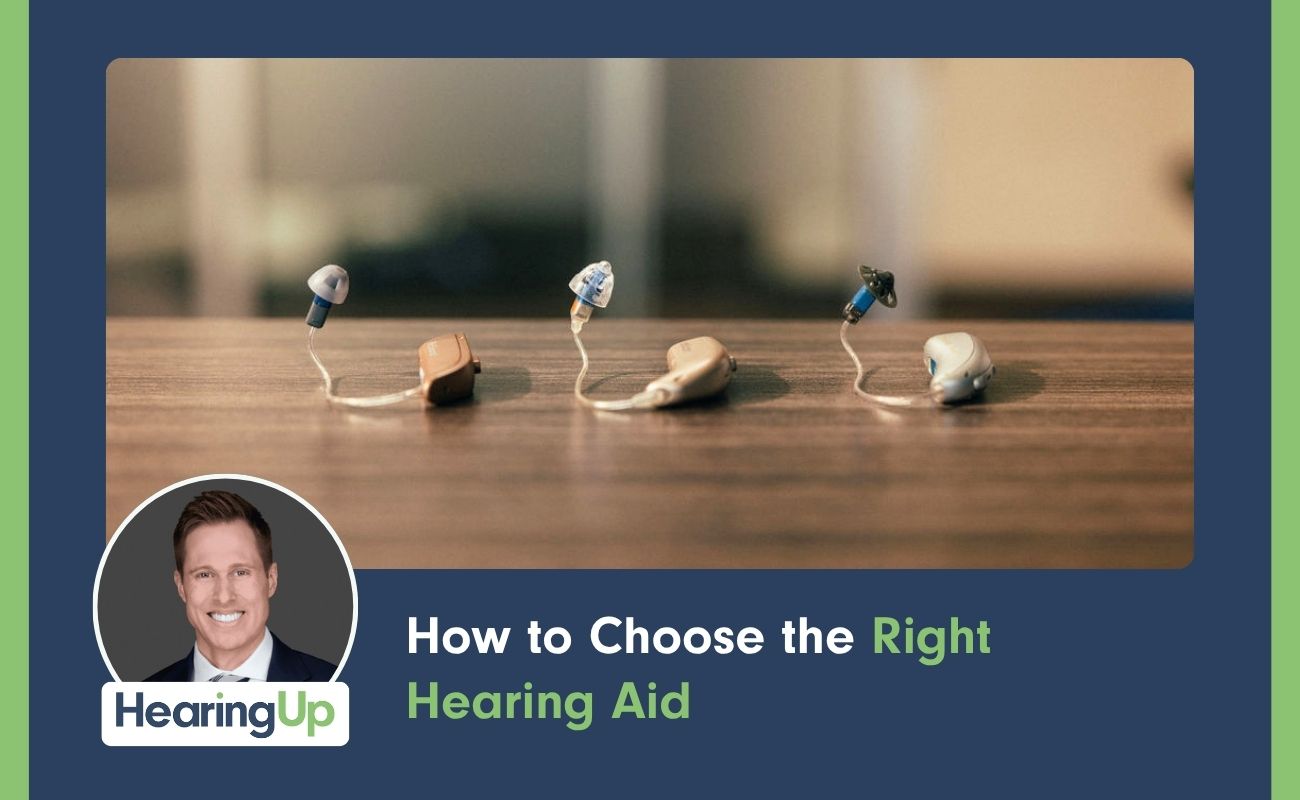
Dr. Cliff breaks down the four key factors audiologists use to match patients with the right hearing aid for their unique needs and lifestyle.
Read More
Dr. Cliff's comprehensive guide to the best hearing aids of 2026, covering top performers across all styles and technology levels.
Read More
Dr. Cliff provides a step-by-step guide to setting up hearing protection features on AirPods Pro 3, covering firmware updates and fit testing.
Read More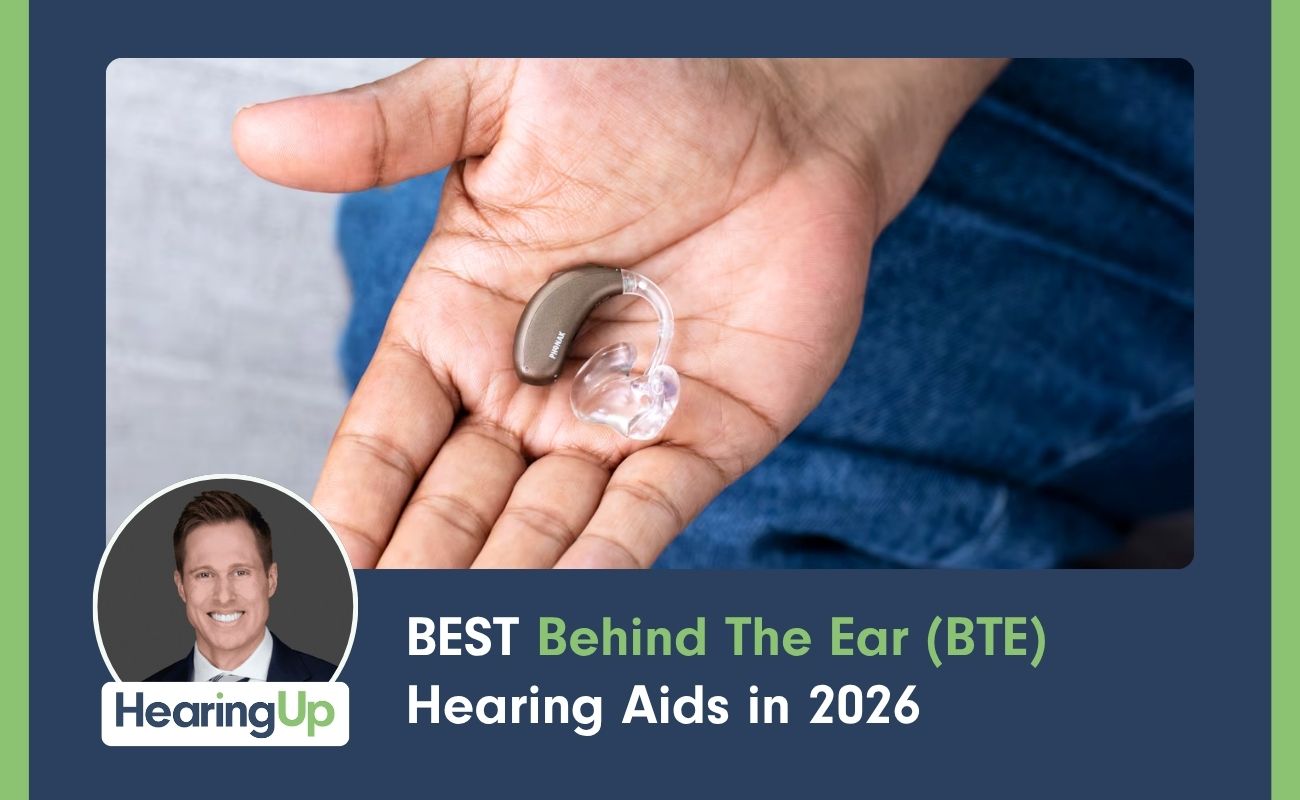
Dr. Cliff reviews the top behind-the-ear hearing aids for 2026, examining power options and features for those with severe to profound hearing loss.
Read More
Dr. Cliff identifies the top hearing aids for tinnitus relief in 2026, examining features that provide effective suppression and management options.
Read More
Name-brand hearing aids, fit by a local hearing healthcare provider who follows Best Practices.
Best Practices ChecklistHearing Aid Buyer's Guide