EN
In this episode of the Dr. Cliff AuD Vlog (#280), I dive into a growing concern: why are so many veterans leaving VA audiology clinics with top-tier hearing aids… yet still struggling to hear?

I need to share something that's been weighing heavily on my mind lately. As someone who served in the military and now treats veterans regularly in my practice, I'm seeing a troubling pattern with VA audiology services that I simply can't ignore anymore.
Let me be crystal clear from the start: I have nothing but respect for VA audiologists and the Veterans Administration as a whole. I completed clinical rotations through the VA during my audiology training, and many of my colleagues work tirelessly in VA clinics across the country. These professionals are dealing with an overwhelming number of veterans who need care, often with jam-packed schedules and limited time per patient.
Military service creates significant hearing challenges. Between weapons training, machinery exposure, and other hazardous noise environments, hearing loss and tinnitus are unfortunately common among our veterans. The sheer volume of cases these audiologists handle is staggering, and I genuinely empathize with the pressure they face.
But here's where I have to draw the line: when veterans aren't receiving the quality of care they deserve.
Every month, I see multiple veterans in my clinic who fall into one of two categories. Either they've completely given up on the VA system and are paying out of pocket for private care, or they come to me seeking a second opinion because their expensive VA hearing aids simply aren't working well.
These veterans often tell me the same story: "Dr. Cliff, I got these hearing aids from the VA. I even saw you talking about how amazing this technology is on your YouTube channel. So why can't I hear well with them?"
When I put these individuals through my Applied 360 review process, I consistently find the same issues: they've either been given the wrong hearing aids for their specific hearing loss, or the devices have been improperly programmed. Sometimes it's both.
Just recently, a Navy veteran in his sixties came to see me. He'd previously worn Oticon hearing aids but had switched to Phonak devices after hearing they were "the best." While Phonak makes excellent hearing aids, no single brand is perfect for everyone – and any quality hearing aid can work well when properly selected and programmed.
This veteran brought his recent VA audiogram with him, completed just two months prior. He'd received his new Phonak hearing aids after a months-long wait, but his hearing problems persisted.
Looking at his audiogram, I immediately spotted the issue. He had a steeply sloping high-frequency hearing loss but had been fitted with open rubber domes. Anyone familiar with Phonak technology knows that open rubber domes significantly limit high-frequency amplification – exactly what this veteran needed most for speech clarity.
When I performed real ear measurements to verify his hearing aid programming, my suspicions were confirmed. His brand-new, premium hearing aids were dramatically missing his prescriptive targets. The lack of high-frequency amplification meant he wasn't receiving the speech information necessary for clear understanding.
Here's the most telling part: when I measured his six-year-old Oticon hearing aids, they were actually closer to his prescribed targets than his brand-new devices. No wonder he reported better hearing with his older technology!
I want to emphasize that programming issues aren't exclusive to the VA. I regularly see patients from Costco, private practices, and ENT clinics with similar problems. Poor hearing aid fittings happen everywhere when providers don't follow comprehensive best practices.
But here's what frustrates me most about the VA situation: if the system isn't allowing adequate time for proper hearing aid programming, what's the point of providing $7,000 premium devices? If those expensive, cutting-edge hearing aids perform worse than properly programmed older technology you could find on eBay, the entire effort becomes counterproductive.
From what I understand, VA audiology departments operate somewhat independently, without universal standards for hearing aid dispensing. This seems problematic to me. These are individuals who served our country, often sacrificing their hearing in the process. They deserve consistent, high-quality care regardless of which VA clinic they visit.
The lack of standardized protocols means some veterans receive excellent care while others struggle with improperly fitted devices. At minimum, every VA clinic should be required to perform real ear measurements – a verification process that takes just 10 minutes to identify programming problems and another 10 minutes to correct them.
The consequences of inadequate hearing aid fittings extend far beyond technical specifications. Veterans lose trust in the VA system designed to support them. They either abandon their hearing aids entirely or seek private care they shouldn't need to pay for.
In the case I mentioned earlier, I had to advise the veteran to return to his VA clinic and request a switch back to Oticon hearing aids with his previous settings uploaded. While this might solve his immediate problem, it doesn't address the underlying systematic issues that created the situation.
Veterans who served our country deserve nothing less than best-practice hearing care. This means:
These aren't luxury services – they're fundamental requirements for successful hearing treatment.
Whether you're a veteran frustrated with VA services or anyone seeking excellent hearing care, the solution lies in finding providers who consistently follow comprehensive best practices. This is exactly why I created the HearingUp Provider Network.
Every audiologist in our network has been personally vetted by me for their commitment to best-practice care. These providers understand that proper hearing treatment requires time, attention to detail, and adherence to proven protocols including real ear measurement and validated outcome measures.
If you're struggling with hearing aids that aren't performing as expected, or if you're beginning your hearing care journey, I encourage you to find a HearingUp provider in your area. These professionals will take the time necessary to ensure you receive maximum benefit from your hearing treatment.
My goal in sharing these observations isn't to disparage hardworking VA audiologists, but to advocate for systematic changes that would better serve our veterans. These heroes deserve hearing care that matches the quality of their service to our nation.
Until those changes occur, know that excellent hearing care is available. Don't settle for hearing aids that don't work properly, regardless of their price tag or advanced features. Seek out providers who prioritize your hearing outcomes above all else.
Your hearing is too important to compromise on, and the solution to better hearing often lies not in more expensive technology, but in finding the right professional to fit and program whatever devices you choose.
Honestly, what the hell is going on at VA audiology clinics when it comes to dispensing hearing aids?
Hey guys, welcome back to the Dr. Cliff AuD vlog. This is vlog number 280, and today I'm talking all about VA audiology when they're dispensing hearing aids.
Now, right before I get into it, guys, do me a huge favor. Click the like button, really helps out the channel. And if you're not yet subscribed to the channel, go ahead and do that as well. It's greatly appreciated.
So I do not want this video to come across as that I do not have respect for the VA, or for VA audiologists. I have the utmost respect. I did clinical rotations through the VA when I was an audiology student, and I have a lot of friends who are audiologists who work at VA audiology clinics and dispense hearing aids.
But here's the thing, guys, I will say this. In defense of the VA audiology departments, they are incredibly swamped with veterans. Now, I served in the military, as you guys know, there was a ton of hearing loss that is a result from serving in the military, both hearing loss and tinnitus. And these audiologists have to deal with all of it, and they have jam packed schedules with very limited amount of time to get veterans treated.
Now, with that being said, I draw the line when it comes down to veterans not receiving a high quality of care. Now veterans get the best hearing aids. So if you have a hearing loss and you're a veteran and you're honorably discharged, then you can go to the VA and get hearing aids. I'm sure there's some stipulations around that. Like if you make too much money, you don't get free hearing aids from the VA, whatever. Okay? But this comes down to the treatment side of things.
So you get great hearing aids at the VA, but why do I constantly have veterans coming into my clinics with their amazing top tier technology hearing aids, and they still can't hear very well?
Well, I have, I don't know. I don't know how many veterans I see on a monthly basis. It's at least a couple who either come to me to get treatment because they refuse to go to the VA anymore, or they come to me with their VA hearing aids and they're like, Hey, Cliff, I'm not really sure why I am not doing good with my hearing aids. I was told that these were the best hearing aids I even saw on your YouTube channel. You talking amazing things about these devices. So what the heck is going on?
Well, I get these individuals in and I'm basically giving them a second opinion. They go through my applied 360 review process where I can essentially identify exactly what is causing their lack of benefit with their hearing treatment. Every single time I identify that either individuals were given the wrong hearing aids or they were fit the wrong way, it's one of the two, and sometimes it's a combination of the two.
So this recent case that I had, which is pretty much what's prompting this video today, is this gentleman had come in, he served in the United States Navy, you know, he is in his sixties at this point, don't really think he had any noise induced hearing loss, but nevertheless, he was able to get hearing aids from the VA.
Now, he had previously had Oticon hearing aids, and he ended up transitioning to Phonak hearing aids because he heard that Phonak hearing aids were the best. And while I don't disagree with him, I, I don't think that Phonak hearing aids are perfect for everybody. Nevertheless, you can pretty much make any hearing aid work for everybody unless there's an extreme circumstance.
Well, in his particular case, he comes in and he brings in his audiogram that he had done at the VA very recently, within the past two months. And he's like, you know, I got an updated hearing test. I got these new hearing aids, it took a couple months to get the hearing aids, but I got them and I'm still not hearing very well. And I'm like, okay, well that's interesting. Let me look at your audiogram.
And what I identify is that this individual has a steeply sloping high frequency hearing loss, and he's been fit with open rubber domes on his phac hearing aids. Now, if you have heard me say anything negative about Phonak, you would've heard me say that from a high frequency amplification standpoint using rubber domes, phac is really not that good. They end up limiting the amount of high frequency amplification you can get. So you don't actually restore any of the missing high frequency speech information that you need to get clarity out of speech. And that is exactly what was happening with this individual.
But you know, on top of that, I was like, you know, I know that these hearing aids are not going to be hitting your prescriptive targets. Let me go ahead and do a verification measure using real ear measurement to see how closely are to hitting your prescription and real measurement, just in case you don't know, it's a way that we can verify how much amplification you're getting at certain frequency ranges relative to your hearing loss prescription, and we can plot it on a screen to see how far off you are. And then ultimately, if we go in and reprogram the hearing aids, we want to adjust the amplification settings to match your prescriptive targets as a part of our applied 360 review process.
That is exactly what I did with this individual. And you wanna know what I found? Well, he was significantly off of his prescription with these hearing aids. So it is not a surprise that this individual got some of the best hearing aids that literally exist on the planet, and he still can't hear very well.
In fact, he reported that he heard better with his 6-year-old Oticon hearing aids. And guess what I found? I measured those too. He was actually closer to his hearing loss prescription with his 6-year-old hearing aids than he was with his brand new hearing aids, which is why he was getting more benefit from his old technology.
So this is like, I mean, this happens everywhere. It's not just VA individuals who come in. I get people from Costco all of the time. I get people from other private practice clinics. I get people from ENT clinics who all come in reporting virtually the same exact thing this individual did. And every single time I find an egregious missed recommendation from a hearing aid technology standpoint or a missprogramming by the hearing care professional who set the individual up with those hearing aids.
But here's my issue with the VA, like if they're not going to allow enough time for the veterans to have hearing aids programmed properly, then you're not really doing that much good for a veteran. I mean, yeah, it's great. You can give them a pair of $7,000 hearing aids, which is what they would typically pay on the priVAte market. But if those $7,000 hearing aids that are brand new don't perform as well as hearing aids that you could buy used on eBay that are properly programmed, then what the hell is the freaking point?
So this is really not a knock on VA audiologist. It's really more of a knock on the veterans administration in general, give your audiologist enough time to follow best practices, and in a minimum, at least perform real air measurement to make sure they're, they're hitting their prescriptive targets. This is an absolutely crazy thing that the VA is not regulating here.
Now, I've been told that each VA department from an audiology perspective runs its itself, okay? So there's not like a universal standard that every single VA clinic has to follow when it comes to dispensing hearing aids. Now, in my mind, that seems absolutely crazy. I mean, serving in the military and having anything that, well, I guess it is government run, so you really can't expect it to be that great. But it's just crazy to me that there's no standard that has the minimum standard of performing real or measurement on veterans hearing aids.
You essentially have these individuals who gave their lives in service of their country, and one of the benefits of doing so is getting healthcare at the Veterans Administration. And they've done such a bad job of supporting these veterans that they are choosing to literally go outside of the VA to get the problem solved.
I mean, this individual could have gone back to the the VA clinic that he went to to get the hearing aids, but he no longer trusts them. And so I had to basically say, Hey, listen, I know that you got these great hearing aids, but you need to go back to the VA. You need to tell them like, listen, I just, I'm not doing good with these hearing aids. Can you just get me the new Oticon hearing aids and just upload my old settings because those worked better?
And you know what they're gonna do? They're gonna say, yeah, let's just go ahead and get 'em. We'll upload your settings, come by and pick 'em up. That's probably what they're gonna do.
Now I'll give you guys an update to let you know if they're like, oh, you know what? Come back in. So like if they, instead of just giving him a different pair of hearing aids, if they say, you know what? Come back in. Let's figure out why those hearing aids are not working for you. And then hopefully they do the right thing and perform verification measures because it literally takes 10 minutes to identify the problem with real measurement, and then it takes another 10 minutes to solve the problem with better programming.
Now, to be fair, if they're gonna solve this problem with these photic hearing aids, they had better get him custom ear molds. 'cause without custom ear molds, he's still gonna be leaking out all of his high frequencies.
But let me know, guys, down, am I going overboard here? I know I've had a couple of rants here in the past couple months, and I don't mean to hurt any feelings with this, but again, when it comes to individuals with hearing loss and especially veterans with hearing loss, I take that personally. If you're not going to provide them with the high quality of care and ensure that they're actually hearing their best, then what the heck are you doing?
Let me know down in the comment section, guys, really interested to hear what you have to say about this entire situation with VA audiology.

Dr. Cliff's detailed review of the Oticon Zeal, examining its innovative in-the-ear design, performance capabilities, and real-world testing results.
Read More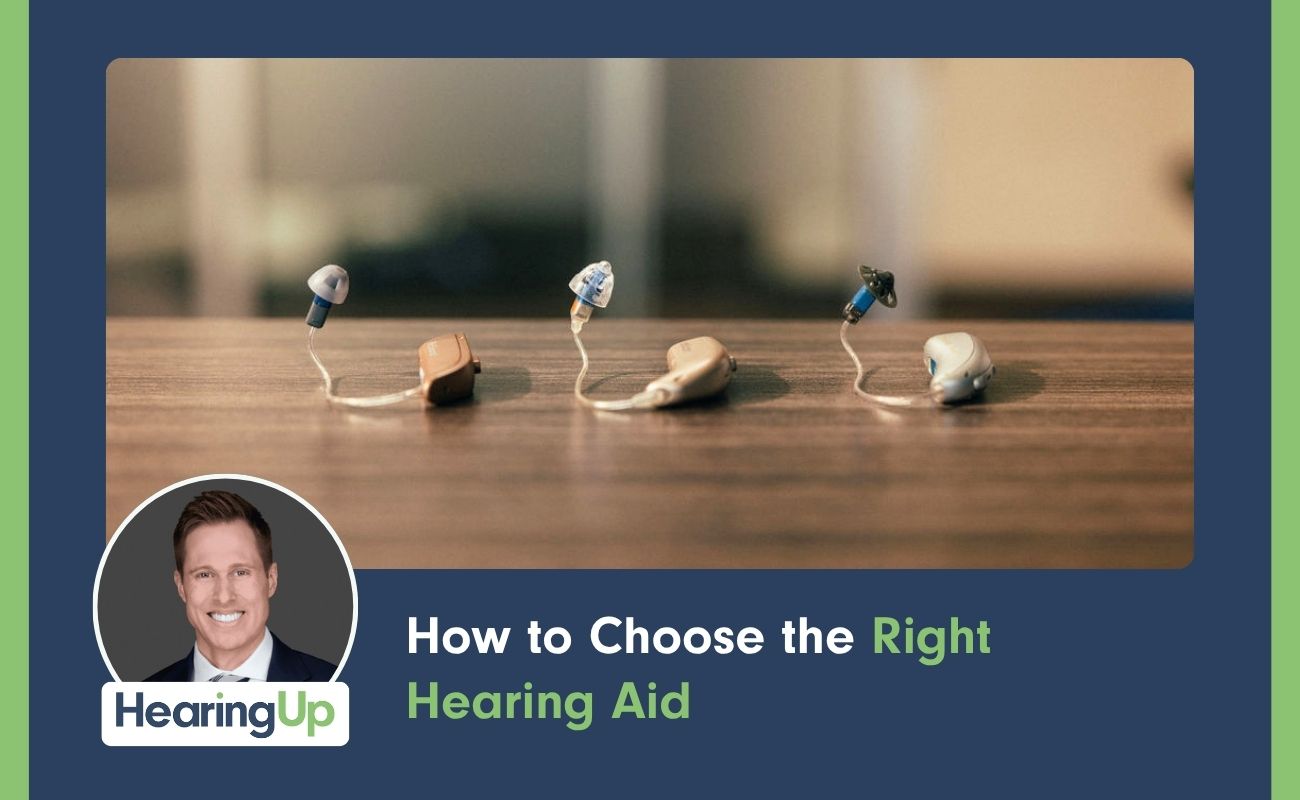
Dr. Cliff breaks down the four key factors audiologists use to match patients with the right hearing aid for their unique needs and lifestyle.
Read More
Dr. Cliff's comprehensive guide to the best hearing aids of 2026, covering top performers across all styles and technology levels.
Read More
Dr. Cliff provides a step-by-step guide to setting up hearing protection features on AirPods Pro 3, covering firmware updates and fit testing.
Read More
Dr. Cliff reviews the top behind-the-ear hearing aids for 2026, examining power options and features for those with severe to profound hearing loss.
Read More
Dr. Cliff identifies the top hearing aids for tinnitus relief in 2026, examining features that provide effective suppression and management options.
Read More
Name-brand hearing aids, fit by a local hearing healthcare provider who follows Best Practices.
Best Practices ChecklistHearing Aid Buyer's Guide