EN
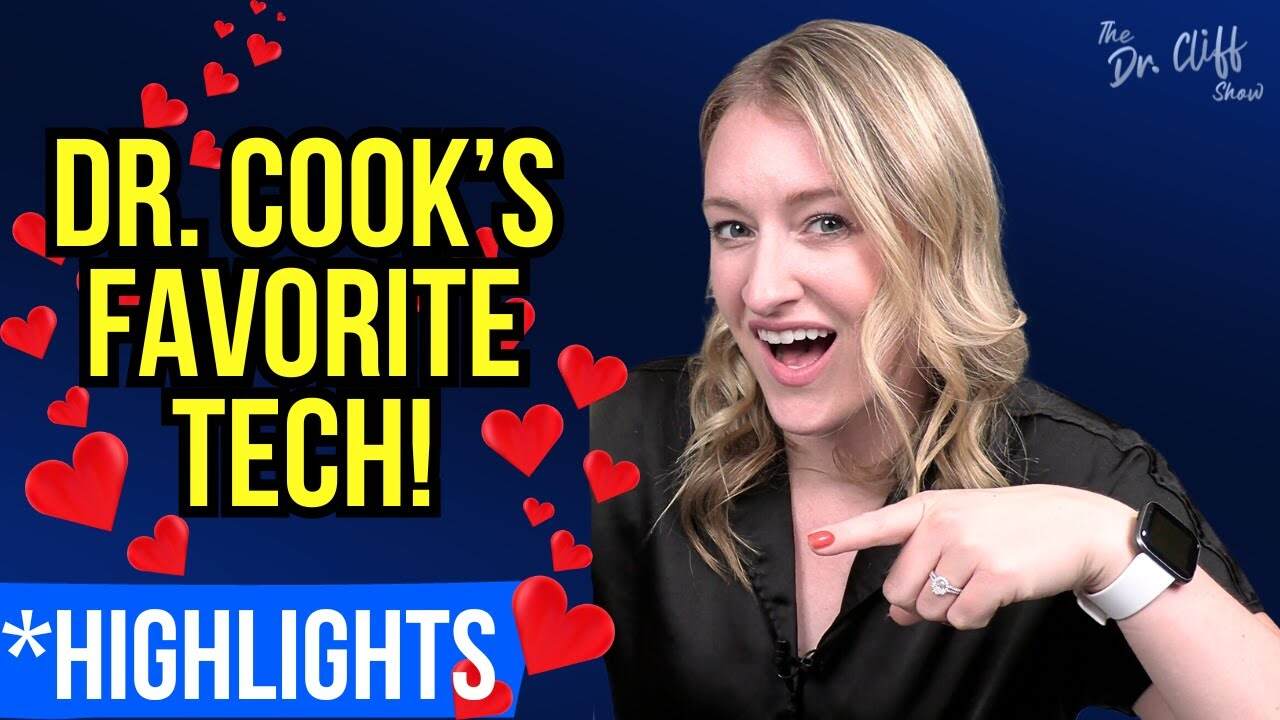
Dr. Cook discusses the game-changing functionality of data logging in hearing aids.

In our clinic, we've found that the utilization of data logging in hearing aids is exceptionally valuable. By examining the detailed information from patients' hearing aids, such as wear time and environmental sound levels, we can provide highly personalized care. This feature not only reveals usage patterns but also sheds light on battery life concerns and the frequency of volume adjustments, allowing us to optimize hearing aid performance.
Given the various technology levels in hearing aids, our recommendations for devices are tailored with precision to individual lifestyles and needs. The ability to fine-tune hearing aids for specific environments is critical, especially in providing satisfactory hearing experiences in challenging settings. While some may perceive basic models as sufficient, it's the more sophisticated devices that can offer the seamless, automatic adjustments many users prefer.
Our favorite feature within hearing aids is undoubtedly data logging. This powerful tool allows us to understand the wear time of patients and their interactions with the devices throughout the day. Data logging has evolved significantly; initially, it helped us to verify the number of hours a patient actually wears their hearing aids against their reported use.
Wear Time Analysis:
If a patient reports wearing their hearing aids ‘all day,’ we can refer to the data logs and respond informedly if the logs show only three hours of use.
Volume Control Tracking:
Tracking over 20 volume adjustments a day, for instance, signals that the user may be experiencing difficulty, prompting us to explore the cause.
Sound Environment Breakdown:
This breakdown helps us understand the situations where patients spend most of their time and how it affects their hearing aid experience.
Streaming Habits:
We can offer specific advice when patients report rapid battery depletion. If data logging indicates 75% time spent streaming, we are able to counsel and address concerns effectively.
Understanding a patient's hearing aid usage through data logging greatly enhances our ability to counsel and make precise adjustments to their hearing aids. It informs us when programming specific settings is crucial based on the individual's lifestyle and environments they frequently encounter. With these insights, even if a patient goes out occasionally, having the correct hearing aid technology can profoundly improve their experience in those moments that matter most to them.
High-end hearing aids are particularly beneficial for their automation capabilities. For users who prefer a hands-off approach, advanced devices can automatically adjust to varying acoustic environments. On the other hand, patients who don’t mind interacting with their hearing aids could find value in basic models, provided they are willing to make manual adjustments for optimal hearing in different settings.
We've progressed from simply knowing how long patients wear their hearing aids to a deeper understanding of their daily usage. Initially, data logging was limited to tracking hours of wear. This allowed us to identify discrepancies when a patient reported wearing their hearing aids all day, yet the logs showed only three hours of use.
The evolution continued with enhancements like monitoring the number of volume control adjustments. These metrics provide concrete data indicating if a patient is frequently changing the volume—often over 20 times a day. Such information is invaluable as it helps us pinpoint issues they may be experiencing and address them accordingly.
Manufacturers have gone a step further by identifying specific listening environments. By analyzing whether the hearing aid wearer is in calm, noisy, or very noisy settings, as well as their driving and streaming habits, we gain insights that inform our counseling and recommendations. This feature proves pivotal, especially when patients experience unexpected battery drainage due to heavy streaming. Having these details allows us to offer tailored advice and solutions for each individual's unique needs.
In our experience, data logging offers crucial insights into hearing aid performance, particularly regarding battery consumption. Through data logging, we uncover patterns in battery drain which can relate to the wearer's streaming habits. For example, when patients report rapid battery depletion, data logging may reveal that streaming occupies 75% of the hearing aid use. With this data, we're able to provide targeted counseling, helping patients to understand the connection between streaming and battery life, thereby addressing concerns that previously puzzled both users and providers.
Data logging grants us the ability to offer specific, beneficial recommendations for hearing aid adjustments. Accessing detailed records of volume changes and sound environments empowers us to tailor settings for diverse situations like driving, restaurants, or noisy settings.
Our prescriptive approach is to match technology levels to lifestyle. For those who infrequently partake in social activities but value them highly, advanced hearing aid settings will enhance their experience, even if it's just a once-a-month event. Premium devices, with automatic adjustments, suit those preferring minimal interaction with their devices, while basic models may work better for those willing to make manual adjustments in varied listening environments.
Modern hearing aids are equipped with automatic program adjustments that respond to the wearer's environment. Program settings are designed to switch based on specific situations such as being in a car, a restaurant, or other noisy environments. Advancements in technology allow for these adjustments so users experience optimal hearing without manual changes.
The level of technology in hearing aids is crucial when considering an individual's lifestyle.
Technology recommendations should reflect the user's lifestyle, including the infrequency of social events, which could be significant for the user.
The higher the technology level in hearing aids, the more automatic and hands-off the user experience becomes.
We often advise that those who prefer a hands-off experience should opt for more advanced models to ensure ease of use and optimal performance across varied hearing environments.
Upon reflection, a pivotal element within hearing aids that stands out is data logging. This powerful feature allows us to monitor patients' wear time and interactions with their devices. Initially, data logging simply tracked how many hours a day the hearing aids were in use. This was illuminating, particularly when there was a discrepancy between reported and actual use.
Furthermore, enhancements in data logging enabled us to detect volume adjustments, an indication of the user's experience and satisfaction.
The advancements didn't stop there; we are now able to assess the specific sound environments that patients encounter daily.
This granular data informs our counselling, allowing for precise adjustments and personalized recommendations, directly addressing issues such as unexpectedly rapid battery drainage.
Delving into the technology levels of hearing aids reveals a critical but often undervalued feature: the ability to adjust programs based on specific scenarios. Lower-end devices may not offer separate settings for particular environments like restaurants or vehicles. However, the moments spent in these situations can be paramount to our patients.
Indeed, some may perceive premium devices as unnecessary for their lifestyle, but these advanced aids excel in hands-off operation and automatic environmental adjustments.
For those reluctant to engage with complex technology, it's actually the premium devices that best suit their needs. By autonomously optimizing performance across various acoustic environments, these aids ensure that even infrequent yet socially important events are enhanced, rather than hindered by technology limitations.
Data Logging: Invaluable for Patient Insight and Tailored Care
Our commitment to utilizing cutting-edge features in hearing aids is underscored by the integral role of data logging. This tool transcends mere tracking of wear time, offering us comprehensive insights into our patients' interactions with their devices. Not all companies offer commensurate capabilities, but it's evident the industry as a whole is shifting towards improving visibility into user habits and preferences. Initially, simple metrics such as daily wear hours provided a basic, yet valuable perspective, correcting any discrepancies between patient reports and actual usage.
However, the evolution of data logging now permits observation of volume control operations and a deeper investigation into listeners' environments. This information is pivotal, as it informs our counseling approach and underlies any necessary modifications to hearing aid settings, thereby fostering more accurate and beneficial outcomes.
Advanced data logging facilities not only enhance our ability to comprehend and aid in daily struggles but also help navigate battery drain issues, directly linked to usage patterns like consistent streaming. This progress means our guidance is no longer speculative but informed and targeted.
Noteworthy is the correlation between technology tiers and customization of hearing experiences. Lower technology levels may lack specialized programs for different environments, like driving or dining out. This lack often undermines the user experience, highlighting the importance of considering lifestyle when recommending technology. Patients who view themselves as requiring 'basic' solutions may, counterintuitively, benefit most from premium-level hearing aids where automation facilitates a seamless, hands-off experience.
In advocating for our patients, we emphasize the significance of tailored settings for specific scenarios. The right technology level can profoundly impact even infrequent but essential social engagements. Through data logging and sophisticated program settings, we can ensure that our patients not only hear better but live better.
Hey guys, check out this clip from the Dr. Cliff Show where Dr. Rachael Cook is talking about the hearing aid feature that she could not live without. What's your favorite feature that you just could not live without inside of the clinic? Alright!
Well I did some thinking and my favorite feature within the hearing aids is actually data logging. So data logging is really where we're able to see some information about the patient's wear time and kind of what they're doing with the hearing aids when they're wearing them. So it's really cool because there are other companies that do this better than others, but we're starting to see everyone try to level up the amount of information that providers can actually see about the hearing aid usage and about the hearing aid settings. So it started off first with how many hours are patients wearing these hearing aids? And that was good because if your patient tells you they're wearing 'em all day long and you look at data logging and it's been three hours, there's definitely a disconnect there. Right? So that was great. Then they added in the ability to see how many volume control changes were being made each day. And that was really cool because you could see if someone says, oh, I'm doing pretty good and then you see they're making over 20 volume adjustments a day, that's not pretty good. Something's wrong and we need to figure out where that's coming from. And then some manufacturers have even taken a step further and gotten to the point where they're actually breaking down what specific sound environments are these patients finding themselves in? Is it relatively calm listening situations, noisy situations, really noisy situations? How much do they drive in the car? How often are they streaming? All of these things give us so much information about even unrelated things. If a patient says, you know, my battery's draining super, super fast and I open up data logging and they're streaming 75% of the time, I'm able to counsel through that issue. Whereas previously I would've said, I don't know why that's happening, but we're starting to get a lot of these insights about the actual use and the wearing and I think that makes my counseling as a provider and my recommendations for changes or adjustments that much more specific and that much more beneficial.
Yeah, and it's important for people to understand that that particular feature of being able to go in and adjust individual programs that automatically get switched into it depends on the technology level of hearing aids that you have. Because if you go with a really low level technology, you may not have a separate program for in the car, in a restaurant or something else that that is very specific that you wouldn't wanna adjust your regular program for. Yeah. But you would only wanna adjust that specific situation inside of the programming. Yeah. And so a very, I think, underrated aspect when we start looking at technology levels inside of hearing aids. 'cause I think a lot of providers, they'll make a recommendation on technology based on, well what's your lifestyle? Do you, are you really socially active? Do you just sit at home all the time? And they're not taking into account that these individuals, while they might not be super active when they do go into a certain situation, if you don't have a program setting speci specific for that situation, they could continue to struggle in that environment. Yeah.
Which is why, and even if they're going out to dinner once a month, if that once a month dinner is the highlight of their month and they've got a low level technology that doesn't allow them to perform well in that type of a setting, then what good is it? You know? And I oftentimes get the, I think a lot of patients or or consumers think, oh, well I don't need the, the super fancy one. Right? I'm okay with a more basic model. I don't, I don't need all the premium features and things like that. And I often tell you, if you are the type of person that says that you're a more basic person, you perhaps need the premium more because the premium level device is going to be doing a lot of things automatically, which means that your, your job is much more hands off in telling the hearing aids how to act, how to perform. If you're comfortable with sitting there and making a lot of app changes and programming changes and things, then a basic device could work for you because you, you will need to do that in order to hear your best in these various situations. But if you're the type that's like, oh, I don't like all the fancy tech, I just like to be hands off, I'm like, then you need the fanciest one out of all of them actually. Yeah.
Alright guys, if you enjoyed that clip, do me a huge favor and click the like button. And if you wanna check out the full episode, I will go ahead and link it in the description.

Dr. Cliff's detailed review of the Oticon Zeal, examining its innovative in-the-ear design, performance capabilities, and real-world testing results.
Read More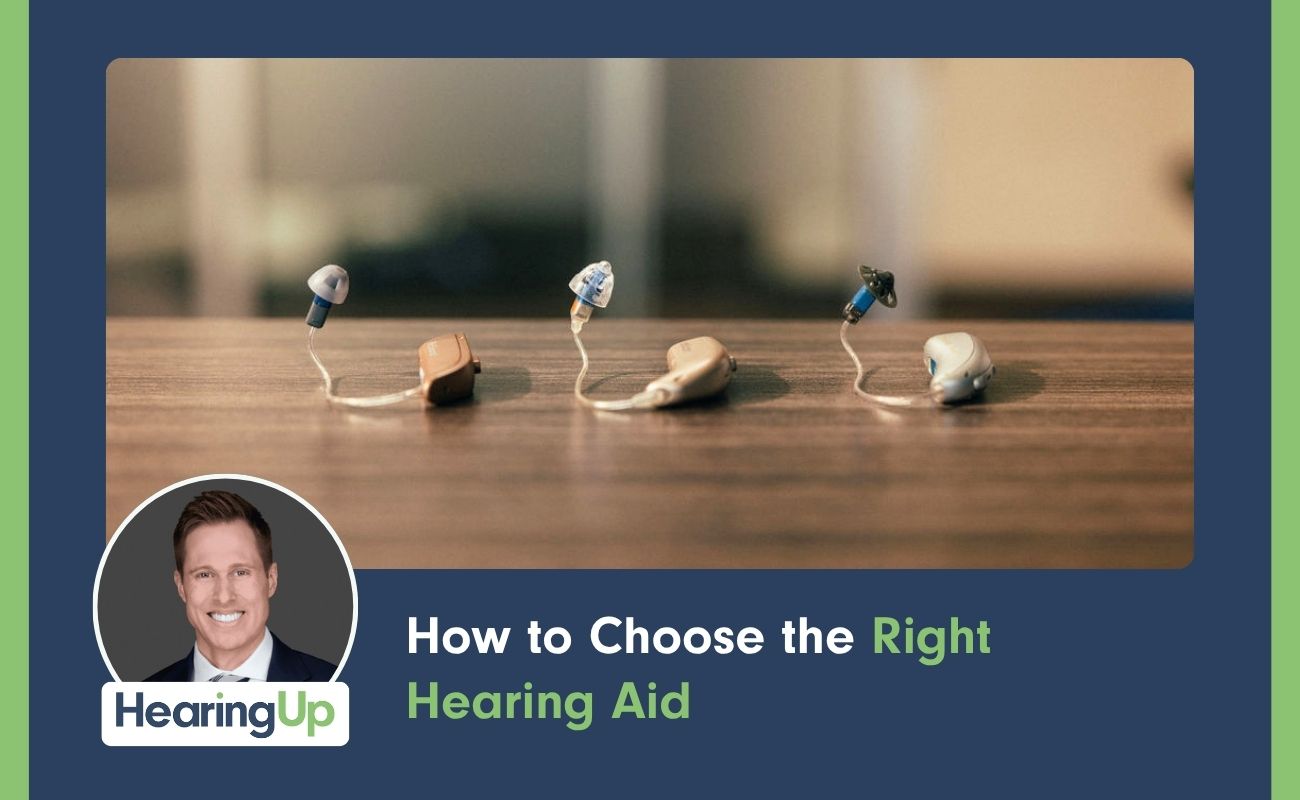
Dr. Cliff breaks down the four key factors audiologists use to match patients with the right hearing aid for their unique needs and lifestyle.
Read More
Dr. Cliff's comprehensive guide to the best hearing aids of 2026, covering top performers across all styles and technology levels.
Read More
Dr. Cliff reviews the top behind-the-ear hearing aids for 2026, examining power options and features for those with severe to profound hearing loss.
Read More
Dr. Cliff identifies the top hearing aids for tinnitus relief in 2026, examining features that provide effective suppression and management options.
Read More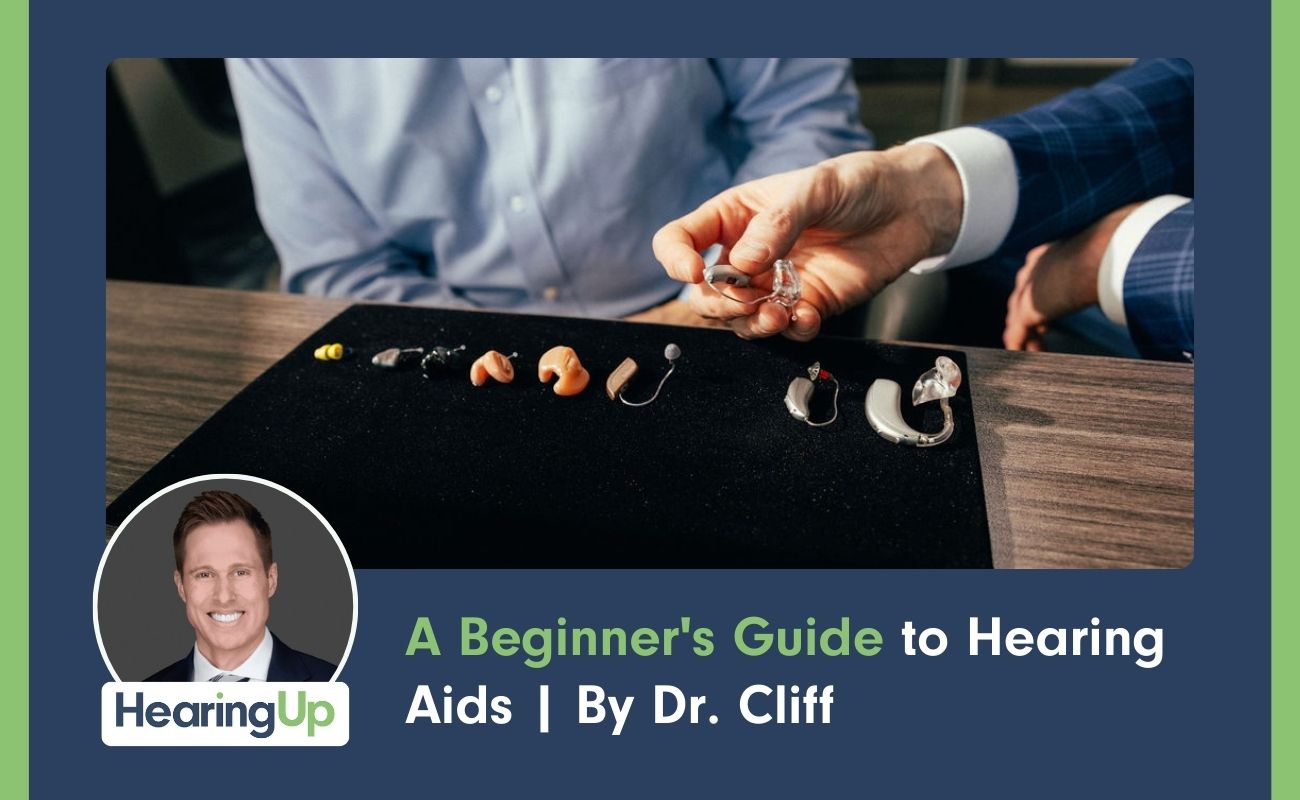
Hearing aid success requires 90-min evaluations, Real Ear Measurement programming, appropriate tech selection, 30-day adaptation and ongoing professional follow-up.
Read More
Name-brand hearing aids, fit by a local hearing healthcare provider who follows Best Practices.
Best Practices ChecklistHearing Aid Buyer's Guide