EN
Uncover the hearing care secret! Dr. Cliff Olson spills the beans on what your hearing care provider might not be telling you.


In the pursuit of optimal hearing aid performance, it's surprising to learn that a significant number of professionals in the field don't implement a critical verification procedure known as real ear measurement (REM). REM is more than just a technical nicety; it is an essential part of ensuring that hearing aids amplify sound correctly to match an individual's hearing loss prescription. Despite the scientific backing, the majority of hearing care providers skip this step, potentially leaving you with subpar auditory experiences.
As we've delved deeper into the subject, it is clear that every ear canal is unique, not just in its shape and size but also in how it affects the amplification needed for optimal hearing. REM is a method that tailors your hearing aids to these unique characteristics by measuring sound right where it matters: near your eardrums. This custom fitting is critical because without it, your hearing aids are essentially programmed in the dark. Now, the question is no longer whether REM should be part of the hearing aid fitting process, but rather why it isn't being used by all professionals.
Despite the clear advantages of using real ear measurement (REM) to optimize hearing aid performance, our profession reveals a staggering 70 to 80 percent of hearing care providers do not routinely implement this crucial verification procedure. REM is far from a novel concept; its necessity has been debated for decades within our audiologic community. Yet, a majority seem to dismiss its importance or deem it non-essential when setting up hearing aids for patients.
Real ear measurement ensures hearing aids are precisely programmed to an individual's hearing loss prescription. Since amplification needs differ based on unique ear canal shapes and sizes, verifying the correct amplification within the ear canal itself is paramount. Without this step, we're merely guessing—undermining our potential to significantly improve how patients hear in both quiet and noisy environments.
Typical first-fit programming involves entering the patient's hearing loss data into computer software, activating an "auto-program" function, then relying on subjective feedback. In contrast, providers committed to best practices know that REM enables the customization of hearing aids to match validated prescriptive targets closely. Our patients' satisfaction rates overwhelmingly favor the fine-tuning capability that REM offers.
Provocative research further underpins our stance. A 2018 study led by Dr. Mike Valente showed a striking preference for REM-validated settings, with 79 percent of participants choosing them over first -fit. What's more, these settings demonstrated superior performance in both quiet and noise.
Notable Findings:
A revealing study by doctors Ron Levitt and Carol Flexer in 2012 compared older analog hearing aids fitted with REM to modern digital aids set to first-fit. The results were telling:
Performance Comparison:
It's inconceivable that the debate persists despite overwhelming evidence and patient preference. Our position is not without challenges, which include educational gaps, training deficiencies, time constraints, lack of equipment, patient cost concerns, and insufficient insurance reimbursement. However, patient outcomes rightfully take precedence over these hurdles.
At HearingUp.com, we align ourselves with professionals dedicated to REM and comprehensive best practices. Only through meticulous fitting and verification processes can we truly elevate the hearing care experience and maximize our patients' satisfaction and performance with their hearing aids.
Our commitment extends beyond standard care—we aim for exceptional. Patients seeking to optimize their hearing and overall satisfaction with their hearing aids should entrust their care to professionals who prioritize REM as a fundamental element of best practices. This commitment to quality care is intrinsic to our philosophy and is a promise of the experience you deserve.
We place probe microphone tubes inside your ear canals alongside your hearing aids, measuring the sound near your eardrums. It’s paramount to customize the programming until your amplification levels align with your prescriptive targets. Almost 8 in 10 individuals prefer this precise adjustment to generic 'first fit' settings. Evidence supports that aids calibrated with this method excel in various listening environments, particularly in noise.
Your unique ear anatomy means your amplification needs, even with identical hearing loss to another's, will differ. The size and shape of your ear canals influence the amplification required for optimal hearing. We recognize these individual requirements and verify the correct amplification levels within your ear canals, as generic settings are a gamble against our bespoke approach.
Our ultimate goal is to equip you with hearing aids that enhance your life. By adhering to these meticulous procedures, we strive to surpass the limitations of generic programming, ensuring you receive hearing aids that are quintessentially designed for you.
We, alongside other committed hearing care professionals, understand that Real Ear Measurement (REM) is the cornerstone of effective hearing aid programming. Despite its critical role, it's concerning that 70-80% of providers overlook this procedure, which is necessary for personalized hearing care.
Customizing Hearing Aid Programming with REM:
Taking shortcuts in programming with 'first fit' settings is not an option for us. We champion the fact that science supports REM as the method to achieve the highest quality of hearing. If hearing well and loving the hearing aids are the goals, then REM is not just a practice—it's a necessity.
In the audiology field, our discussions often center on the efficacy of various fitting protocols for hearing aids. Our community has been divided on the utilization of Real Ear Measurement (REM) for optimizing hearing aid performance. It's troubling to recognize that a substantial 70 to 80 percent of us disregard the procedure, either considering it unnecessary or undervaluing its importance for the benefit of patients.
For those unfamiliar with REM, it's a verification method we use to ensure that hearing aids are tailored precisely to a user's hearing loss prescription. Given the uniqueness of each person's ear canal size and shape, amplification needs can vary significantly, even among individuals with ostensibly identical hearing loss profiles. Without intrusive ear canal verification, we are essentially guessing, which is not conducive to achieving optimal auditory outcomes.
Our Current Practices:
Efficacy of REM:
Given this compelling evidence, why does our debate persist? We must consider educational gaps, time constraints, lack of proper equipment, and financial considerations for both providers and patients. However, if we aim to deliver the highest standard of hearing care, we must align with the science that has staunchly supported REM for decades.
Utilizing and excelling in REM is crucial, and as experienced hearing care professionals, we can guide patients to providers adept at this technique. We endorse comprehensive best practices which include REM as essential to maximizing hearing aid potential.
For those who prioritize their auditory experience, seeking a proficient provider who consistently employs best practices, such as REM, is imperative. Our dedication to excellent hearing care will undeniably lead to the best possible results for our patients.
We've uncovered a strong preference for hearing aids calibrated with real ear measurement (REM). In fact, 79% of participants in a study favored these customized settings over the standard first fit. This near eight out of ten endorsement underscores the value individuals place on a personalized approach to their hearing care.
But it isn't just about preference; performance is key. These personalized settings didn't merely win people over – they measurably enhanced hearing capabilities. Participants experienced better hearing in both quiet environments and against background noise when their devices were tailored through this method. It's not subjective; it's substantiated by data.
Dr. Mike Valente's research provides compelling evidence for REM's efficacy. Their rigorous study showed that not only did individuals prefer a customized fit, but the objective improvements in hearing were undeniable.
Setting Type: Manufacturer First Fit
Quiet and Noise Performance: Suboptimal
Setting Type: REM Customized Fit
Quiet and Noise Performance: Improved
This differentiation is further confirmed by another significant finding – hearing aids are often under-amplified in high frequencies when set to First fit. These frequencies are crucial for speech clarity and for distinguishing speech from noise. Such under-amplification can undermine auditory performance, an avoidable shortcoming through proper REM customization.
In the study, modern digital hearing aids programmed without REM were even outperformed by an older analog hearing aid that had been fitted using REM, highlighting the fundamental role of correct calibration.
Despite this, we witness resistance stemming from various factors, including educational gaps and the illusion of cost savings. However, the science is unequivocal; optimal hearing aid performance is consistently achieved with properly conducted REM. Thus, for us who prioritize hearing health, advocating for REM is not only a practice but a responsibility.
Real Ear Measurement (REM) is crucial. We often observe manufacturers of modern digital hearing aids under-amplifying high-frequency sounds for comfort. In contrast, the robust detail delivered by old analog hearing aids when fit with REM is noted. Our findings are supported by empirical evidence.
In a comparison of First Fit settings versus REM programming, consider this data:
First Fit (Manufacturer Settings) = REM Custom Programming:
We have determined that the precise programming offered by REM significantly enhances hearing aid performance. A 2012 study by Levitt and Flexer illustrated this, showing modern digital aids underperforming versus analog aids with REM.
In both quiet and noisy environments, hearing aids fitted with REM have shown superior performance. This reinforces the necessity of REM for the best auditory experience. Rejecting the idea that 'First Fit' suffices, we align with the 20% of providers leveraging REM to enhance hearing aid efficacy. Our approach is justified by a study led by Valente in 2018, where 79% of participants preferred REM customized hearing aids, evidencing a preference for REM's precision.
To summarize, modern digital hearing aids can only reach their full potential when programmed with the realism that REM provides. As hearing care professionals, we advocate for the adoption of best practices, inclusive of REM, ensuring that individuals experience the highest level of hearing satisfaction.
Real ear measurement (REM) is crucial for optimizing hearing aid performance. Despite this, a significant 70 to 80 percent of hearing care providers do not properly implement REM when programming hearing aids. This lapse could lead to less than optimal patient outcomes, as the hearing aids may not be tailored specifically to an individual's unique hearing loss prescription.
Key Reasons for Neglecting Real Ear Measurement:
A 2018 study demonstrated that nearly 80% of participants preferred customized hearing aid settings verified with REM over manufacturer first-fit settings. More telling, these users showed improved performance in quiet environments and in separating speech from background noise with REM-fitted aids. This highlights that first-fit settings tend to under-amplify high-frequency sounds, leading to compromised clarity and speech intelligibility in noisy situations.
The stark difference in performance is underscored by comparing data from modern digital hearing aids set to first-fit settings with those fine-tuned using REM. Invariably, aids programmed with REM consistently demonstrate superior performance in noise reduction.
As practitioners, our commitment is to our patients' best auditory experience. Accepting the status quo—where first-fit programming is the norm—is not an option. Our responsibility is to ensure hearing aids are programmed using REM to match validated prescriptive targets.
Our Action Steps:
Ultimately, the disparity in practice brings us to a crossroads. As hearing care professionals, we must choose to follow the evidence-backed path, endorsing REM for the benefit of our patients. This is our pledge for excellence in hearing care. For those seeking outstanding hearing care, REM should be non-negotiable, and our endeavor is to provide nothing less.
We have identified a critical procedure called real ear measurement (REM), which is essential for verifying that hearing aids are programmed correctly to your specific hearing loss prescription. Despite its importance, a staggering 70 to 80% of hearing care providers skip this step, relying instead on generic settings. To clarify, real ear measurement involves placing a probe microphone in the ear canal to gauge sound levels near the eardrum, ensuring the correct amount of amplification based on validated prescriptive targets.
Below are crucial points to keep in mind about REM:
To assure REM competency, consider these steps:
We're dedicated to ensuring individuals receive the best hearing care, which led us to create the Hearing Up Network—an initiative to connect you with professionals committed to exceptional practices, including real ear measurement. Here's how the Hearing Up Network benefits you:
Those of us who value hearing excellence and strive for the most effective treatment outcomes will find a trusted partner in a Hearing Up Network provider. Our promise is clear: by choosing a provider associated with the Hearing Up Network, you're opting for the highest standard of hearing care.
As professionals in audiology, we cannot overstate the importance of real ear measurement (REM) for hearing aid optimization. Despite the skepticism of its necessity within the industry, the evidence overwhelmingly supports the superiority of REM-verified hearing aids over those programmed with first-fit defaults.
To ensure the best possible outcome for our patients, we must incorporate REM into our standard fitting protocol. Below are our key recommendations:
For those seeking optimal hearing aid performance, choosing a provider that incorporates REM is essential. We encourage patients to select clinics, like those in the Hearing Up Network, which rigorously follow best practices including REM.
In making these proactive changes, we strive to deliver the highest standard of care for those dependent on hearing aids. This is a reflection of our commitment to both the science of audiology and the satisfaction of our patients.
This is the video that your hearing care provider does not want you to see. What if I told you that there was one thing that you could do to significantly improve how well you hear in quiet and in background noise with your hearing aids, but that 70 to 80% of hearing care providers do not do it well? There has been a debate inside of the audiologic community for decades on whether or not performing real ear measurement is something that should be done to optimize your hearing aid performance. Apparently, the vast majority of hearing care providers believes that performing real ear measurement is either not required or not important enough to do when programming hearing aids for optimal patient benefit. Now, if you have no clue what I'm talking about when I say real ear measurement, then you really need to go check out this video that I published about five years ago to give you a basic foundational understanding of this procedure, but in an attempt to get you up to speed quickly,
real ear measurement is basically a verification technique that is used to ensure that your hearing aids are programmed correctly to your hearing loss prescription. You see, everyone with hearing loss requires a certain amount of amplification that is specific to them in order to optimize their ability to hear. And while you could technically have an identical hearing loss to someone else, the amount of amplification that you need at different frequency ranges will still be different because of the size and shape of your unique ear canals. This creates a situation where we need to verify inside of your ear canals if you're getting the right amount of amplification. Otherwise, we're just shooting in the dark. The way we do this is by placing probe microphone tubes inside of your ear canals along with your hearing aids, and measure that sound approximately five millimeters away from your eardrums, and then continue to customize the programming of the hearing aids until your amplification levels match the validated prescriptive targets of your hearing loss.
Now, I know that that sounds like a mouthful and sounds very technical, and it kind of is, but it's something that's very basic to a hearing care professional. What most hearing care providers do is they take your hearing loss, enter it into their computer software, hit an auto program button, put those hearing aids in your ears, and ask you how it sounds, and when you say, I guess it sounds okay, they're like, great. Go out into the real world and hopefully you hear better. Now, I know that that kind of sounds ridiculous to you, but the number one reason that hearing care professionals do this, in my opinion, is that they believe that those first fit settings that they just hit the auto program button for are just as good if not better than customized settings using real ear measurement. So which camp is correct?
The 80% of hearing care providers who believe that first fit is appropriate or the 20% of providers who believe that a customized and verified fit to your prescription is better? Well, in a 2018 study led by Dr. Mike Valente and others titled Differences in Word and Phoneme Recognition in Quiet, Sentence Recognition in Noise, and Subjective Outcomes Between Manufacturer First Fit and Hearing Aids Programmed to NAL-NL2 Using Real Ear Measures that I will link in the description below. The researchers answered this very question in this double blind randomized counterbalanced study that had 24 first time hearing aid users with a normal sloping down to moderately severe high frequency hearing loss. They identified that 79% of these participants preferred the customized program settings that were verified with real ear measurement. That's right. Nearly eight out of every 10 individuals actually preferred having real ear measurement done on these hearing aids instead of just having them set the first fit settings.
However, things got even more interesting when researchers identified that not only did people prefer to have the real ear measurement customized settings compared to first fit, but they actually performed better as well in quiet and in background noise regardless whether or not they actually preferred the real ear measurement settings. Now, we already know that hearing aid manufacturers typically significantly under amplify high frequency sounds because they know that that will sound more comfortable to the person who is initially wearing their hearing aids. But we also know that when you reduce the high frequency sounds, it gets rid of your clarity in quiet, and it also takes away of your ability to separate speech from background noise. In one of my all-time favorite studies done back in 2012, Dr. Ron Leavitt and Carol Flexor identified that modern digital hearing aids, when set to first fit settings, actually underperformed an old analog hearing aid that was fit using real ear measurement.
Not only that, but after each of these modern digital hearing aids were reprogrammed using real ear measurement, every single one of them significantly improved their performance in background noise. This bar graph shows the manufacturer first fit in black and the prescriptive fit using real ear measurement in gray. The shorter the bars, the better the hearing aids performed in noise. As you can see, every single one of the hearing aids programmed with real ear measurement in gray are shorter than the black bars, indicating a significant improvement in performance. This newer study by Dr. Mike Valente and his colleagues just reconfirms what we've already known for decades at this point, which is when it comes to performance, hearing aids that have been fit and programmed and verified to a validated prescriptive target with real ear measurement always outperform hearing aids that are set to first fit settings with just customizations based on your feedback. And if 80% of hearing aid users actually prefer their hearing aids to be fit and programmed using real ear measurement, then how is this still a debate? Honestly, it probably has something to do with lack of education, lack of training, lack of time, lack of equipment, lack of patients wanting to actually pay for it, and lack of insurance companies wanting to reimburse providers for performing real ear measurement. Nevertheless, if you want to hear your absolute best with your hearing aids, science has been telling us for decades at this point that you need to have your hearing aids programmed using real ear measurement. Of course, performing
real ear measurement and performing it well are two completely different things, which is why you wanna make sure that you're going to a hearing care professional who knows what they're doing. If you'd like an easy way to find a hearing care professional who knows what they're doing with real ear measurement, make sure that you check out my website HearingUp.com to find a HearingUp network member near you. HearingUp providers have been vetted and are committed to following comprehensive best practices, including real ear measurement, to ensure you get the most out of your hearing aids. If you want to treat your hearing loss the right way, find a HearingUp provider and experience the difference that exceptional hearing care makes when it's all said and done. If you do not care about the way that you hear with your hearing aids or you're just more interested in saving money, by all means go to a hearing care provider who does a first fit programming and sends you on your way. But if you actually want to hear your absolute best and love your hearing aids, then you need to make sure that you go to a hearing care professional who follows best practices, including real ear measurements. I promise you'll be glad you did.

Dr. Cliff's detailed review of the Oticon Zeal, examining its innovative in-the-ear design, performance capabilities, and real-world testing results.
Read More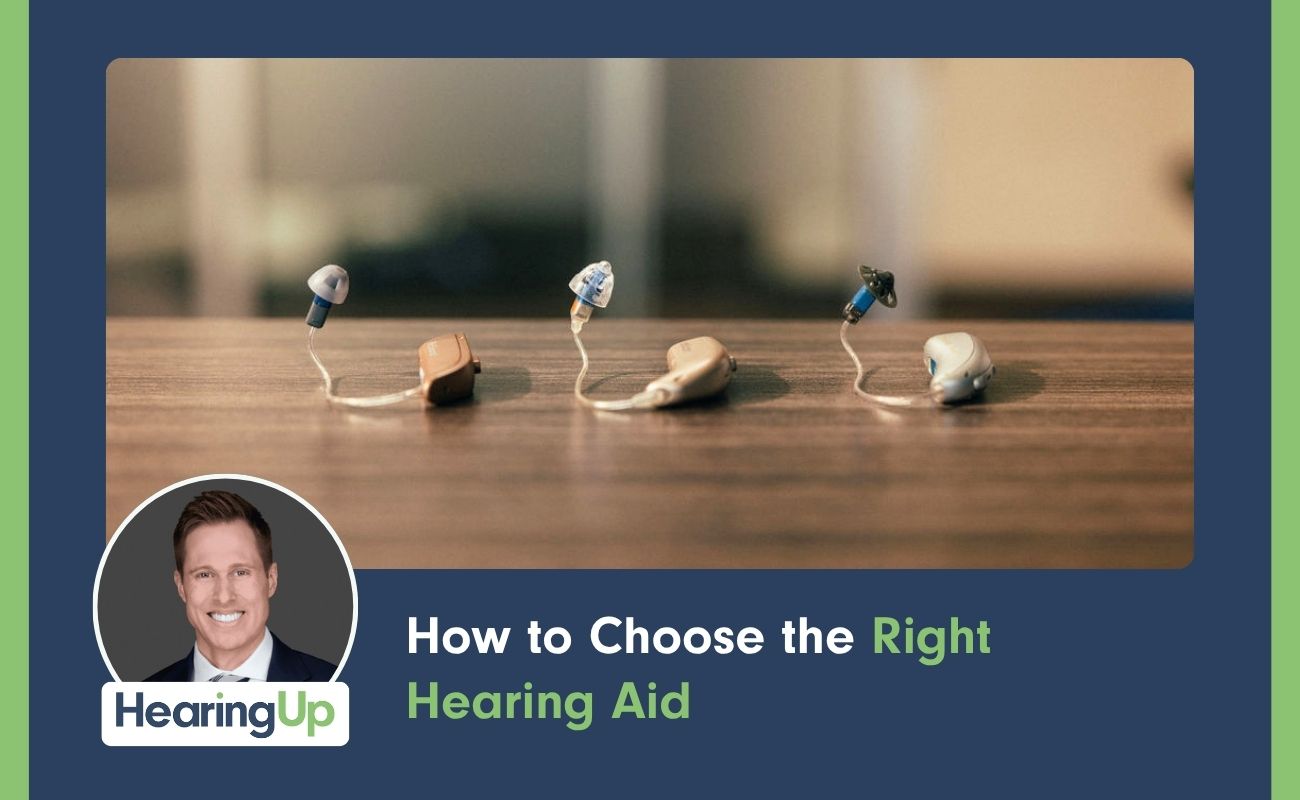
Dr. Cliff breaks down the four key factors audiologists use to match patients with the right hearing aid for their unique needs and lifestyle.
Read More
Dr. Cliff's comprehensive guide to the best hearing aids of 2026, covering top performers across all styles and technology levels.
Read More
Dr. Cliff reviews the top behind-the-ear hearing aids for 2026, examining power options and features for those with severe to profound hearing loss.
Read More
Dr. Cliff identifies the top hearing aids for tinnitus relief in 2026, examining features that provide effective suppression and management options.
Read More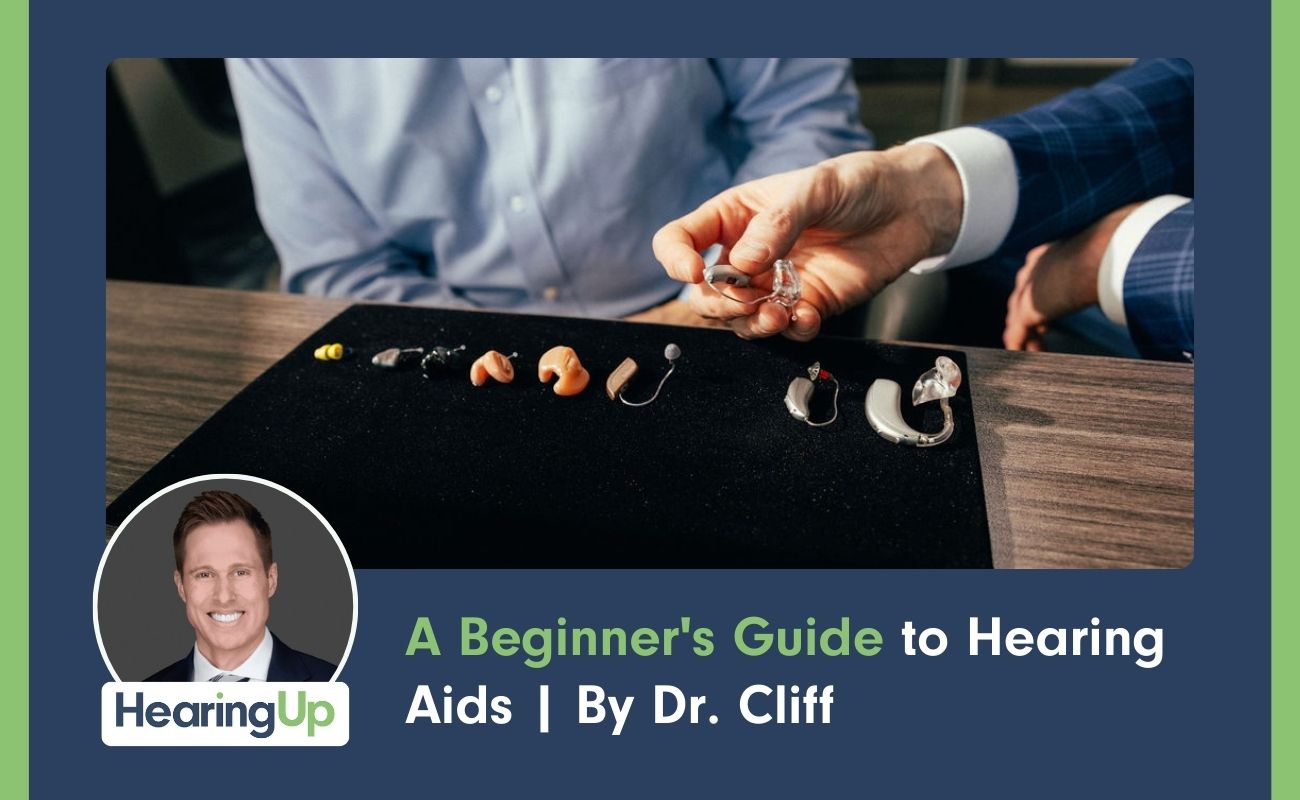
Hearing aid success requires 90-min evaluations, Real Ear Measurement programming, appropriate tech selection, 30-day adaptation and ongoing professional follow-up.
Read More
Name-brand hearing aids, fit by a local hearing healthcare provider who follows Best Practices.
Best Practices ChecklistHearing Aid Buyer's Guide