
.png)
ReSound Sensia
A premium hearing aid that automatically focuses on the conversation in front of you, even in noisy places.
About ReSound Sensia
ReSound Sensia is GN Hearing's newest premium hearing aid family and the successor to ReSound Vivia. Its purpose is to fix a common weakness of today's AI-powered hearing aids: in a noisy room, they can lock onto the loudest voice, or even mistake background music for the sound you want to hear.
Sensia's biggest change is automation. Vivia's strongest AI noise reduction had to be switched on through a special hearing-in-noise program. On the top Sensia 9 level, the hearing aid recognizes a difficult listening situation and activates that processing automatically, so you do not have to stop and change programs through a button, app, or remote.
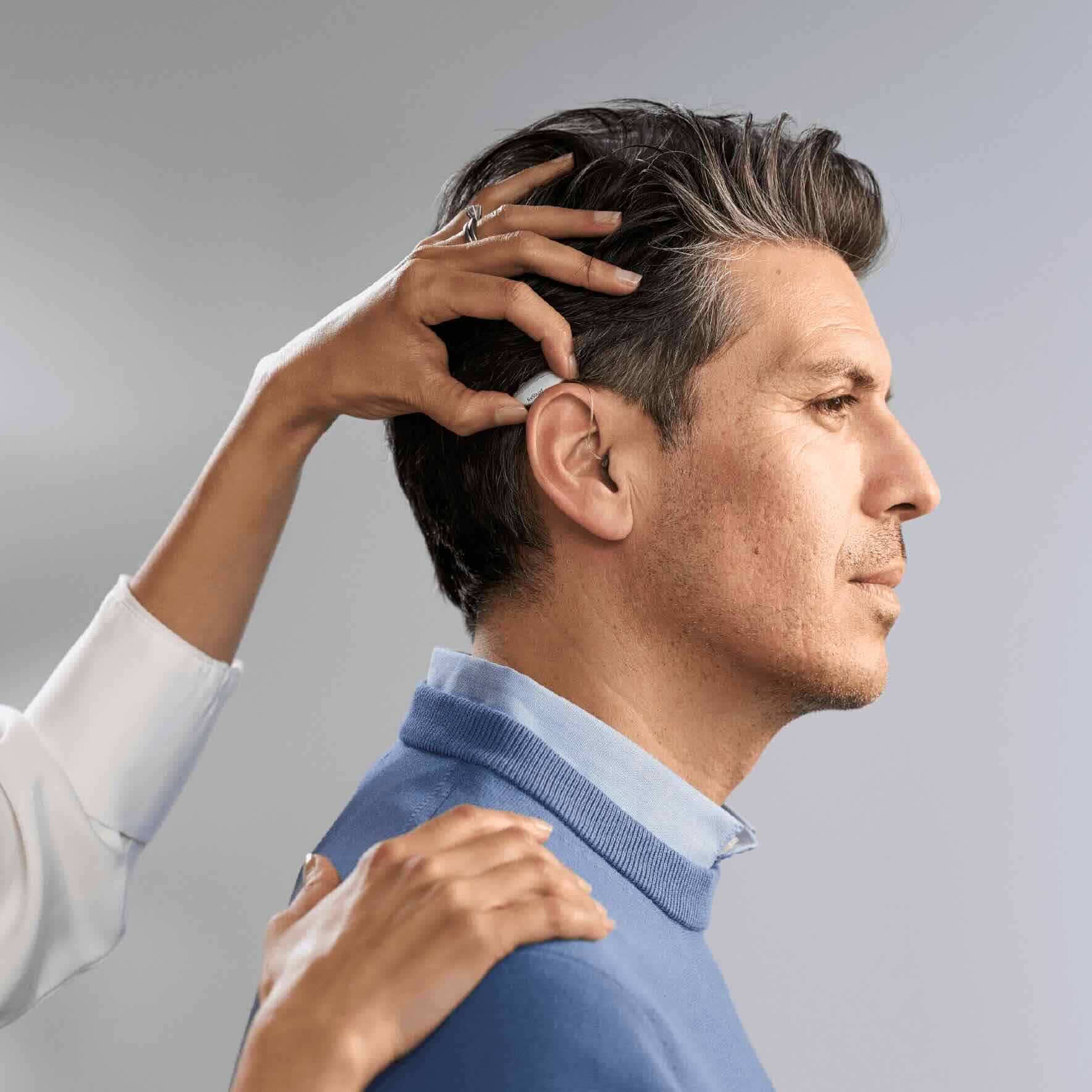
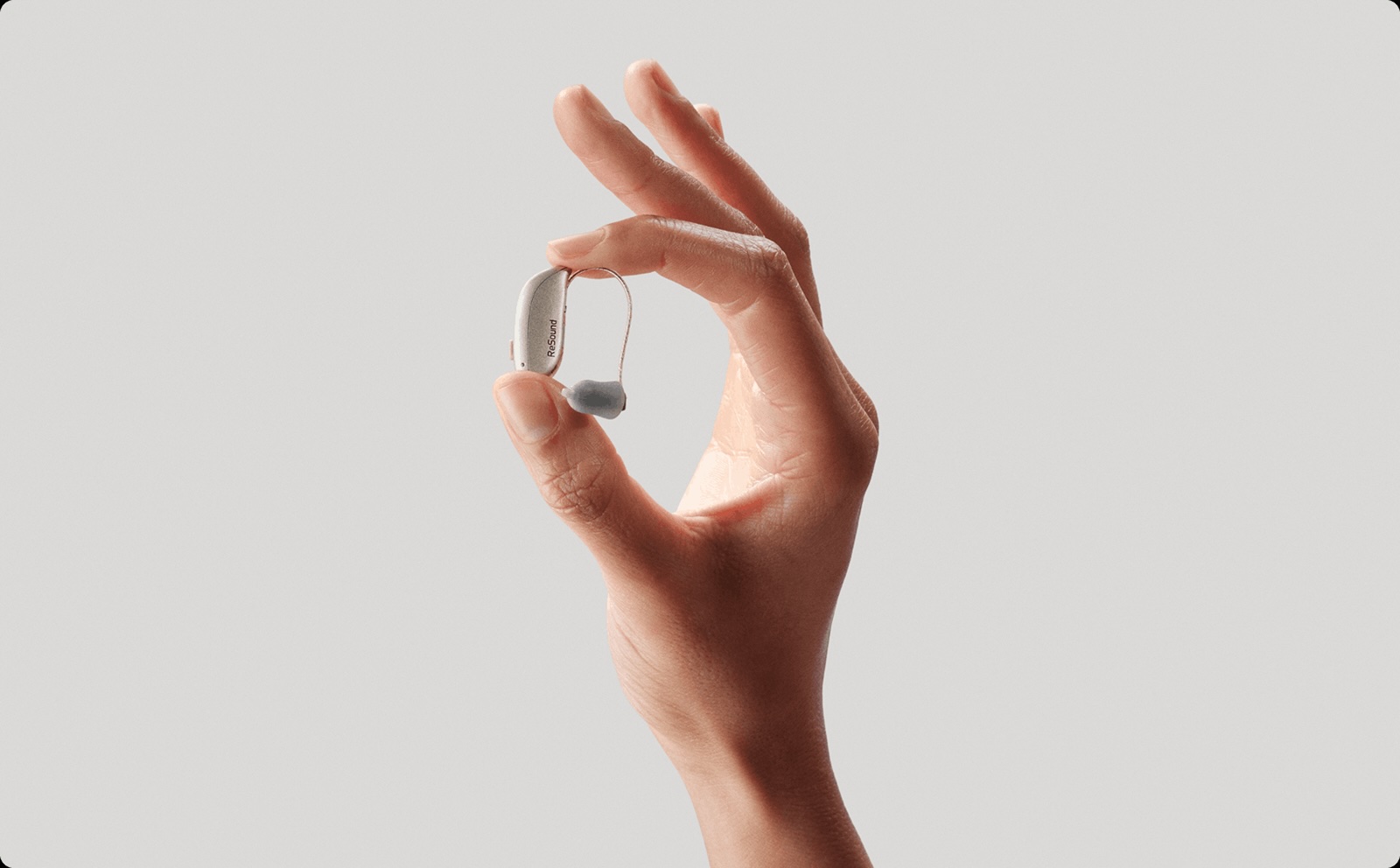
GN reports that Sensia keeps the very small size and all-day battery life of Vivia while adding this automatic processing. It is available in receiver-in-ear (RIE) and custom in-ear styles. An RIE sits behind your ear with a thin wire carrying sound to a speaker in your ear canal, while custom styles are molded to fit inside your ear.

Dr Cliff's Pros and Cons
ReSound Sensia
Pros
ReSound Sensia
Cons
Built for Hearing in Noise
Sensia's automatic system is called Intelligent All-Around. It brings together three technologies:
- AcoustIQ analyzes your sound environment and decides which features to turn on. A powerful noise reduction system only helps if the hearing aid knows when to use it, which is why GN describes this as the conductor of everything else.
- A four-microphone beamformer uses the microphones on both hearing aids to create a focused listening zone toward whatever you are facing. People naturally look at the person they want to hear, so Sensia uses that as its cue.
- DNN denoising reduces competing voices and distractions around the person you are talking to. A Deep Neural Network (DNN) is a type of AI designed to tell speech apart from noise.
In quiet settings, both hearing aids stay open to sound from all directions to preserve your sense of space. As noise rises, Sensia can shift to ReSound's Better Ear strategy, making one side more focused while the other keeps broader awareness. When it detects sustained speech in front of you in loud noise, Sensia 9 enters Intelligent Focus, combining the beamformer with DNN denoising. Sensia waits for a consistent pattern of conversation before making this strongest change, which can take about a minute, so it does not jump between modes every time the room briefly changes.
Sensia also chooses the right kind of noise reduction for the situation. When there is no speech to protect, such as a vacuum or fan, it uses ReSound's established Noise Tracker II system instead of the DNN. Music is not automatically detected, since the hearing aid cannot know whether you want to hear the band or the person across the table, so a dedicated music program is available when you want it.
GN reports 88% greater accuracy in classifying sound and engaging features than the closest competitor, and in GN's research Sensia made the talker in front most audible for 80% of users compared with another premium DNN hearing aid, a result validated by Hörzentrum Oldenburg. Note that this measured which talker was easiest to hear, not how many more words users understood.

Connectivity and Auracast
Sensia supports Bluetooth Low Energy (LE) Audio, a newer Bluetooth standard.
It also includes Auracast, a broadcast standard that lets venues stream audio directly to your hearing aids. Unlike some hearing aids described as Auracast "ready," GN states that Sensia's Auracast is fully working at launch. You select available broadcasts through the ReSound Smart 3D app. In a GN user study, participants rated Auracast an average of 8 out of 10 compared with 6 out of 10 for a traditional hearing loop, describing it as fuller and clearer.
At least one RIE model also includes a telecoil, which connects to hearing loop systems.
Styles, Battery, and Durability
GN describes Sensia as featuring the world's smallest AI hearing aids, with its RIE reported to be 6% smaller than its closest competitor. All models are IP68 rated with a protective nanocoating, meaning they are built for all-weather durability.
The rechargeable microRIE and rechargeable ITC and ITE models are rated for at least 24 hours of use, and up to about 30 hours depending on how you use them. GN is also introducing a smaller updated premium portable charger.
Available styles include:
- Rechargeable microRIE
- Size 312 and size 13 battery RIE
- Rechargeable ITC and ITE custom models
- Wireless ITC
- Non-wireless CIC, ReSound's smallest CIC
Features vary by style and technology level. The full automatic Intelligent All-Around system is available on the Sensia 9 rechargeable microRIE. Sensia 7 includes DNN processing through a manually selected hearing-in-noise program, and custom models use ReSound's Clear Focus directional processing without DNN denoising at launch.
For people with hearing in only one ear, a CROS transmitter sends sound from the side that cannot be aided to the better ear. ReSound Sensia Bimodal is designed to work alongside a Cochlear Nucleus cochlear implant on the opposite ear.
Finding ReSound Sensia Near You
ReSound Sensia is likely to suit people who struggle in restaurants, gatherings, and other noisy places and want a hearing aid that handles those moments on its own, without switching programs. Its small size, durability, and range of styles also make it worth considering if comfort and discretion are priorities. Keep in mind that its strongest help works best when you face the person you want to hear, and that the most advanced automatic features are limited to the top technology level and microRIE style.
The figures above come from manufacturer research, and independent testing of Sensia was still pending at launch. The hearing aid you choose matters less than the person programming it. Sensia's fitting software adds the new NAL-NL3 prescription, but a prescription only works if it is verified. A provider who follows Best Practices, including Real Ear Measurement to confirm the sound reaching your eardrum matches your hearing loss, is what determines whether you receive the benefit this technology can deliver.
Every provider in the HearingUp network has been vetted for their commitment to Best Practices. Schedule an appointment with a HearingUp provider today to find out whether ReSound Sensia is the right fit for your hearing needs.
Related hearing aids
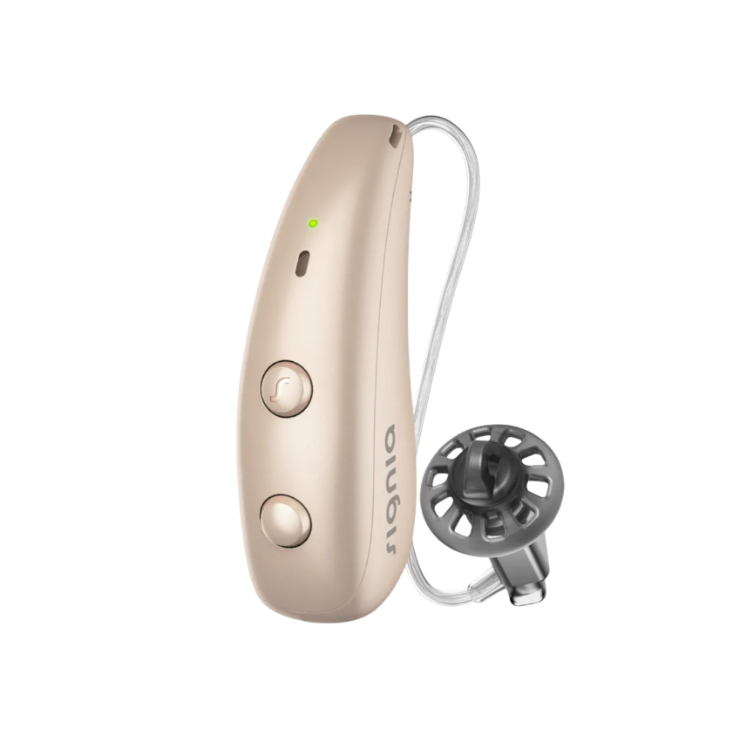
Signia MaX
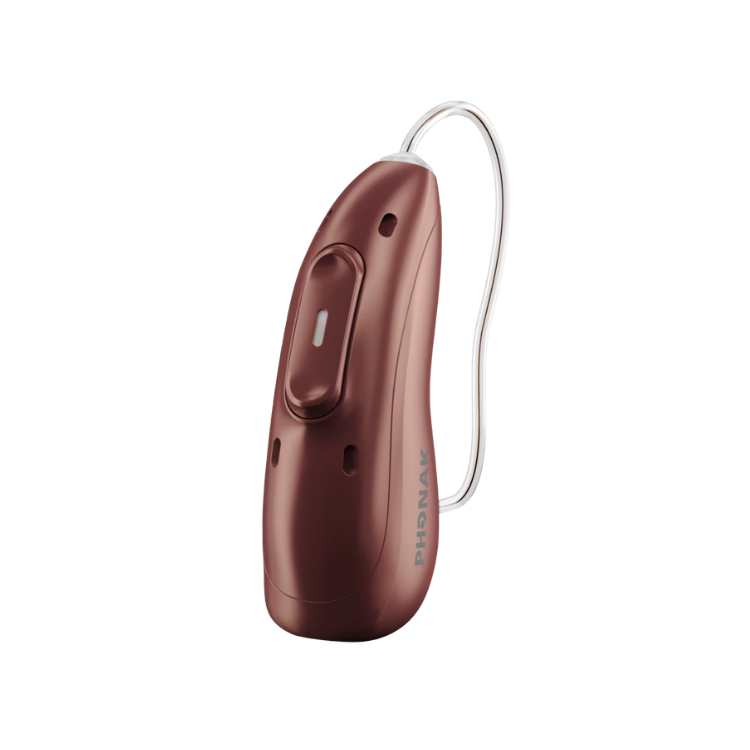
Phonak EON
.png)
Oticon Reveal
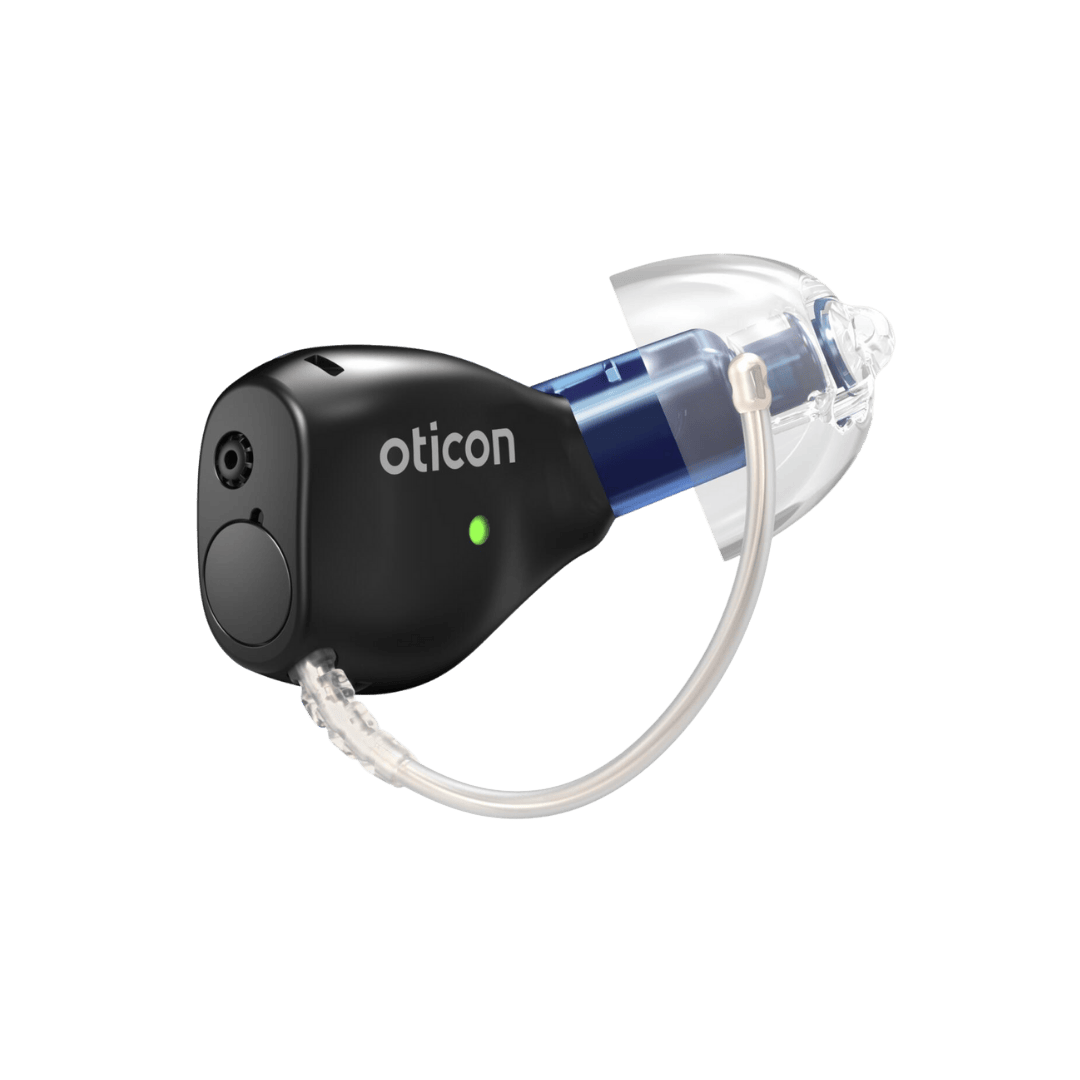
Oticon Zeal
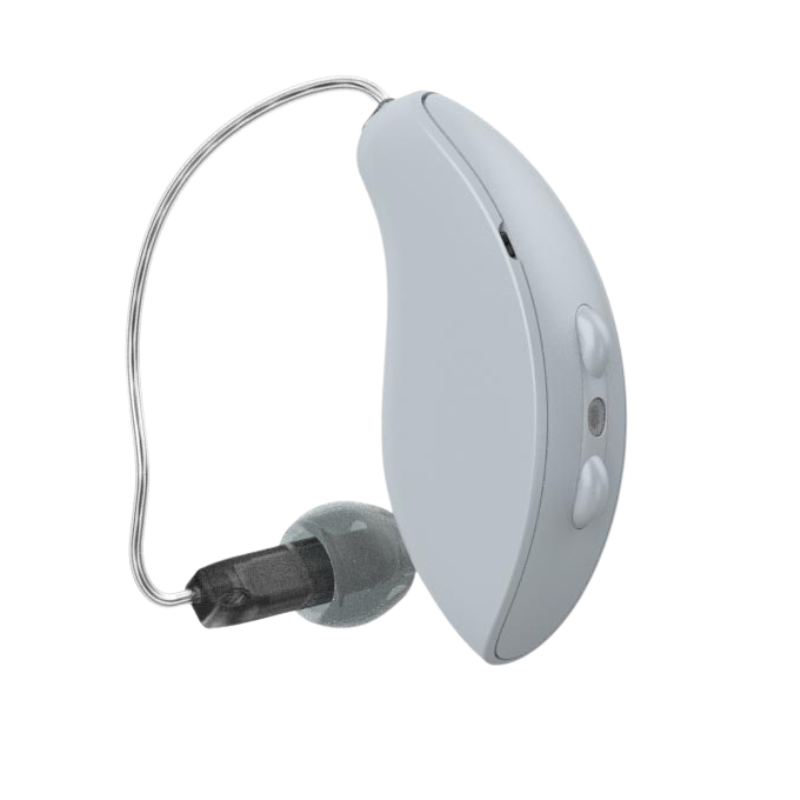
Starkey Omega AI

Widex Allure
Related articles

Dr. Cliff's detailed review of the Oticon Zeal, examining its innovative in-the-ear design, performance capabilities, and real-world testing results.
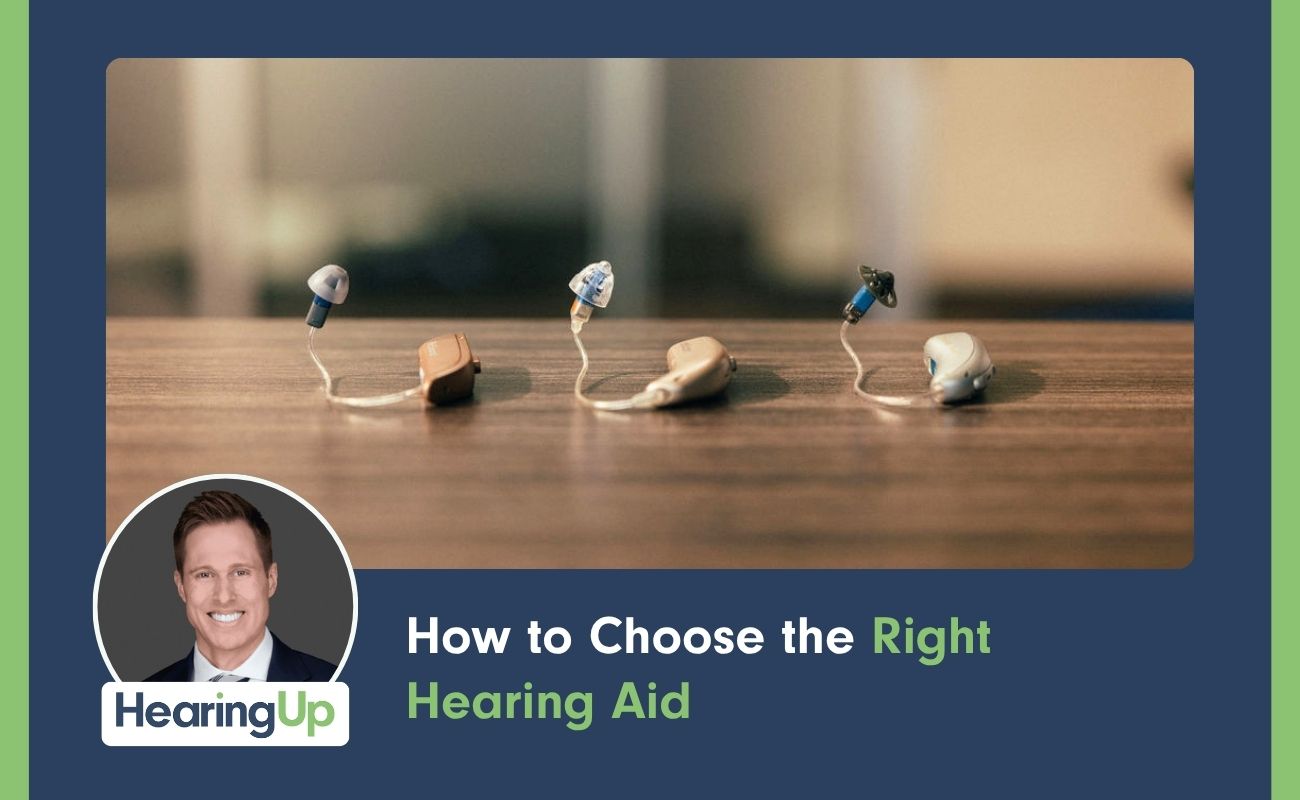
Dr. Cliff breaks down the four key factors audiologists use to match patients with the right hearing aid for their unique needs and lifestyle.

Dr. Cliff's comprehensive guide to the best hearing aids of 2026, covering top performers across all styles and technology levels.

Dr. Cliff reviews the top behind-the-ear hearing aids for 2026, examining power options and features for those with severe to profound hearing loss.

Dr. Cliff identifies the top hearing aids for tinnitus relief in 2026, examining features that provide effective suppression and management options.
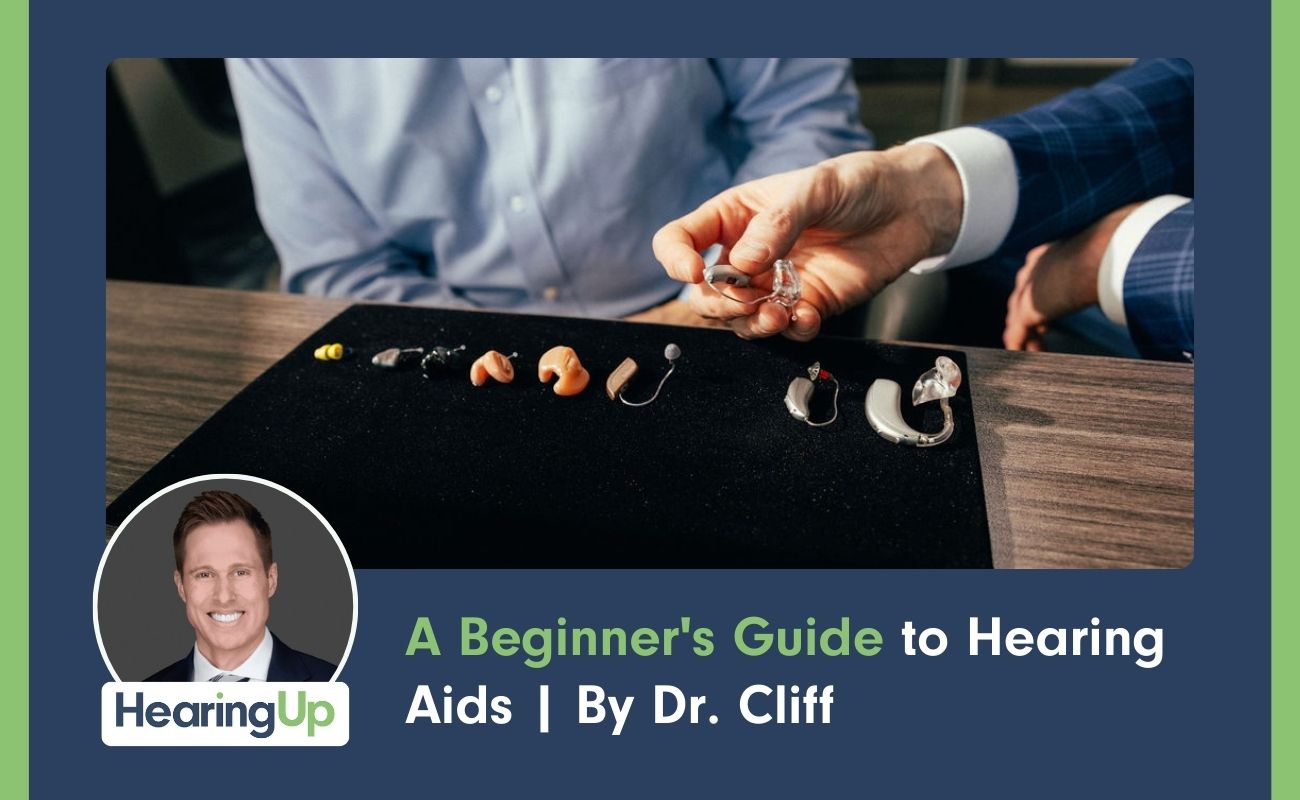
Hearing aid success requires 90-min evaluations, Real Ear Measurement programming, appropriate tech selection, 30-day adaptation and ongoing professional follow-up.






Name-brand hearing aids, fit by a local hearing healthcare provider who follows Best Practices.
Best Practices ChecklistHearing Aid Buyer's Guide

